Posted on — Leave a comment

How Trees Built Stronger Communities: The Story of Tree City USA

To learn more about how Tree City USA has been evolving and changing communities for good, check out the Arbor Day Foundation’s article celebrating the fifty-year milestone.
On this Earth Day, we’re looking back in time to 1976, which was a banner year for our country, as the United States celebrated its 200th anniversary. It was also a good year for our nation’s trees. Why? Because the Arbor Day Foundation, in partnership with the U.S. Forest Service and the National Association of State Foresters, launched the Tree City USA program. This program had one goal: to raise awareness about the value of community trees. In doing so, the Arbor Day Foundation felt that this would improve the health of communities of all sizes and bring people together. Fifty years later, what started in 42 cities and towns in 16 states has spread to all fifty states, with 48% of the U.S. population living in a designated Tree City. 

To become a Tree City, you need four things: a dedicated tree board or department, an ordinance for tree care, annual funds set aside for tree maintenance, and a city-wide Arbor Day observance. These four cornerstones ensure that a community’s commitment to its trees doesn’t simply fizzle out, but is continuous over time. This is important, because research has shown that the more trees a city or town has, the cooler the local air temperatures are. Incorporating more tree canopy can offset the warming effect buildings and paved surfaces have. In addition, trees are great stormwater infrastructure assets: they store large amounts of water in their tissues; slow rainfall down by intercepting raindrops as they fall; and stabilize the soil, preventing soil runoff and increasing groundwater recharge. Finally, Tree Cities across the country report an increase in community engagement: locals coming out to participate in tree plantings, support regular tree maintenance, and engage with educational opportunities about trees. Patrick Hayes, Parks & Recreation Superintendent for the City of Clay Center in Kansas, says that being a Tree City “has created a sense of pride and care for the community that you can see as you pass through our town.” 

The Tree City USA program is growing: today, there are 3,587 Tree Cities, with applications being accepted by the Arbor Day Foundation every fall and winter. Towns and cities that want to apply must meet all four of the cornerstones through activities that they organize and complete between January 1st and December 31st. The Arbor Day Foundation hopes that, as more people realize trees contribute more than aesthetic value to their community, more communities will take the plunge and decide to join the ranks of Tree City USA. 

#EarthDay #TreeCityUSA #UrbanForestry #CommunityTrees #GreenCities #WetlandWednesday #TheSwampSchool
Posted on — Leave a comment

Making Your Yard Frog Friendly

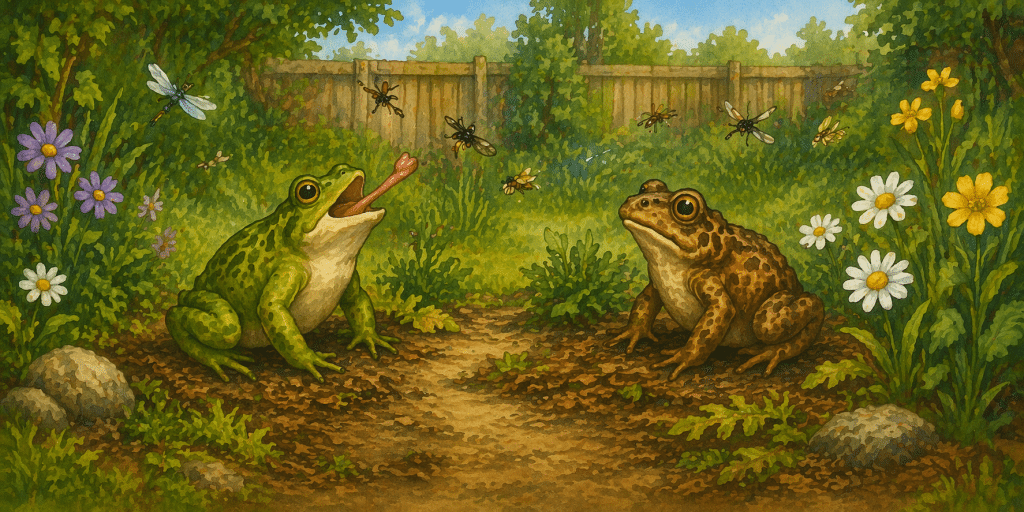
Spring has sprung, which means the frogs and toads are springing, too, and tadpoles will soon be here. Toads and frogs are great assets to have in your home’s green spaces, because a single frog or toad can consume hundreds of troublesome garden pests in a single day, such as slugs, mosquitoes, and weevils. In addition, there’s nothing like spending time outside when they strike up the band and begin to call. So, if you’re thinking you might want to start attracting more amphibian friends to your yard, keep reading. 

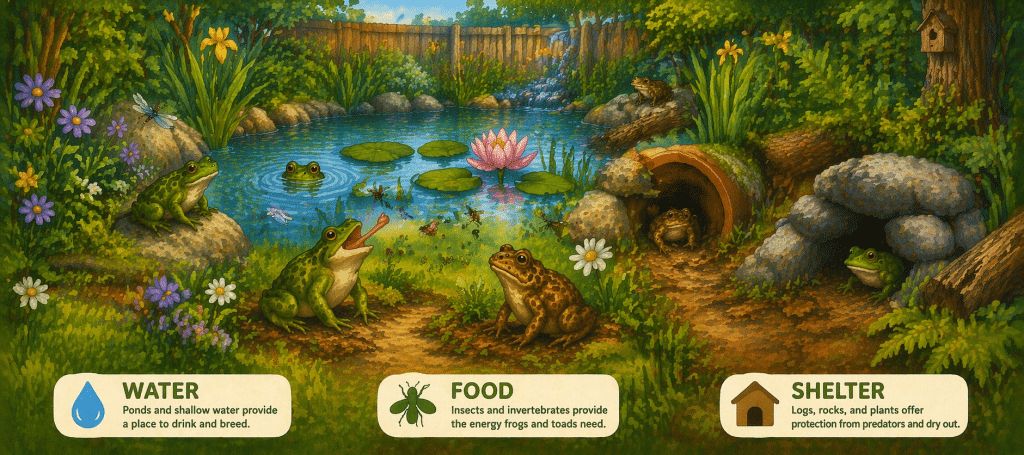
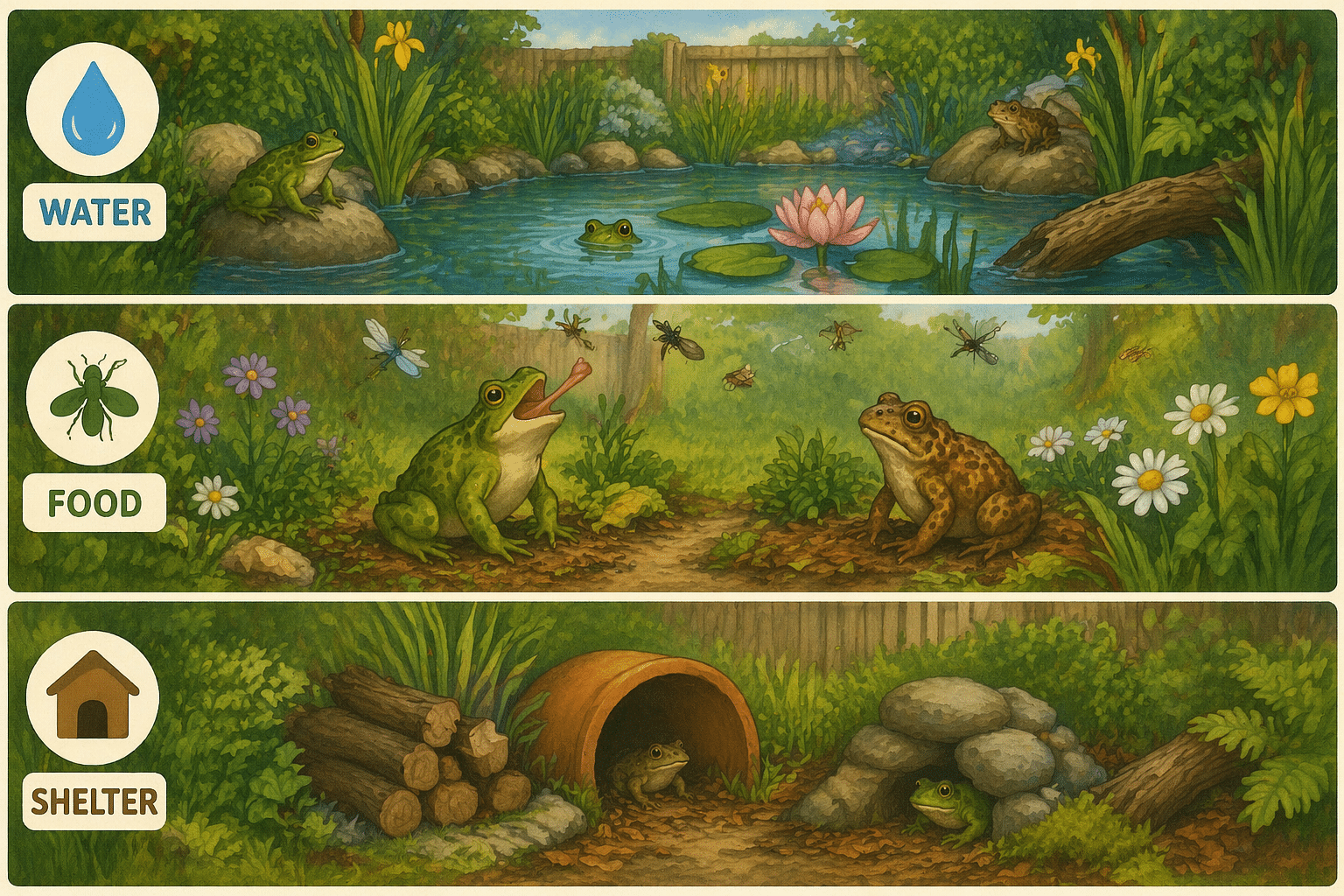
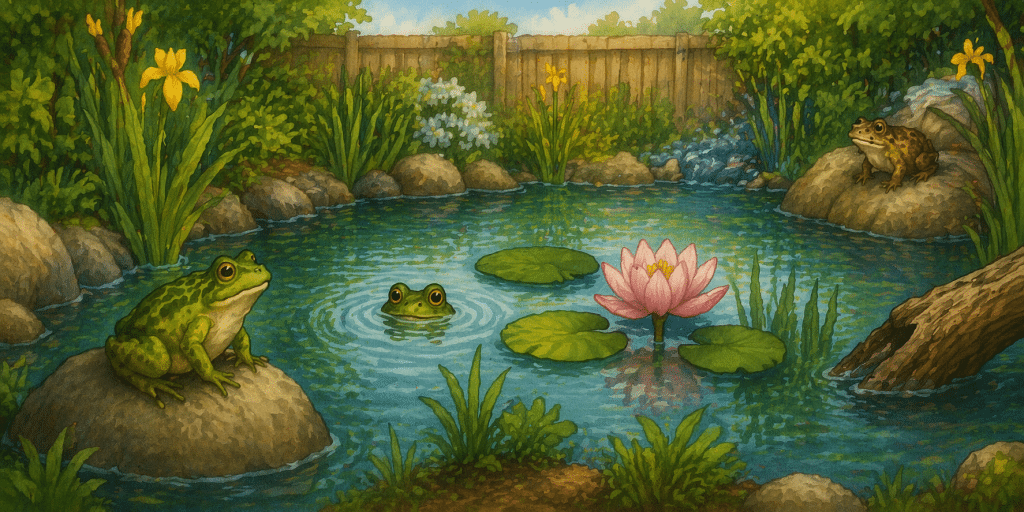
First things first: water. Since amphibians need water as part of their life cycle, you will need to provide some low-to-the-ground water sources for them. This can be as simple as burying a large plant saucer into the ground, or as elaborate as constructing a mini pond or wetland ecosystem in a portion of your yard. Whichever way you choose, make sure you have provided ways for frogs and toads to easily get into and out of the water. While frogs are better swimmers, toads are not, and all will benefit from being able to safely enter and exit their new watering hole. Be sure to use rainwater, not tap water, as amphibians are incredibly sensitive to chemicals that may be present in the water flowing from your faucets. Some people create elaborate rainwater collection systems in their yards and gardens, where overflow from rain barrels and gutters gathers in small ponds and wetlands that provide suitable habitat for amphibians. 

Once their water source has been taken care of, the next step is making sure your yard has plenty of food for them to eat. Now wait a minute, you may be thinking, wasn’t the whole point of having frogs and toads in my yard preventing pests? Well, once the toads and frogs have polished off the pesky mosquitoes and slimy slugs, they will need something else to fill their bellies. If there’s no other food available, they won’t stick around, and your pest problems will come back. So, do some research and find the closest native plant nursery in your area. Plan a visit and be sure to talk to the staff for guidance on what plants would do best in your particular region. Native plants support far more species of insects than non-native ornamentals, thus resulting in more food for amphibians to eat. As a bonus, if you get a variety of plants that will bloom at different times during the growing season, you will provide a continuous food source for pollinators, like butterflies and bees, and will attract more songbirds to your yard, too. 

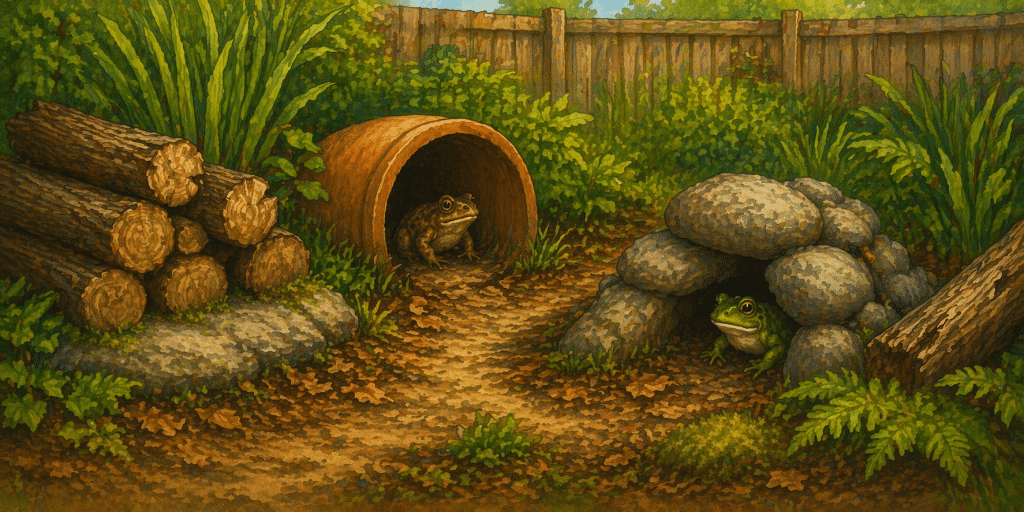
Finally, frogs and toads need shelter, someplace to hide during the heat of the day. Constructing toad houses out of broken terracotta pots is a popular DIY craft, but log piles and brush piles are great places for amphibians to hide, too. In addition, letting some of those native plants grow big and bushy will provide ample cover; if you created a miniature wetland system, try adding some wetland plants around the edges to provide your new frog and toad friends with some privacy. Mixing things up by planting shrubs alongside herbaceous plants provides some height, which some frog species will take advantage of during the breeding season. 

Once you have assembled all the pieces of your amphibian habitat, water, food, and shelter, consider applying for a Certified Wildlife Habitat certification from the National Wildlife Federation. The NWF website is full of information on how to make your yard or garden more wildlife friendly, in addition to guidance on how to create habitats at workplaces, schools, and places of worship. As April is Frog Month and Native Plant Month, now is the perfect time to begin the rewarding process of transforming your backyard into an amphibian oasis. 

#FrogMonth #NativePlantMonth #Amphibians #SavetheFrogsandToads #CertifiedWildlifeHabitat #NationalWildlifeFederation #BackyardHabitat

Posted on — Leave a comment

North Carolina’s Weird and Wonderful: Belted Kingfisher

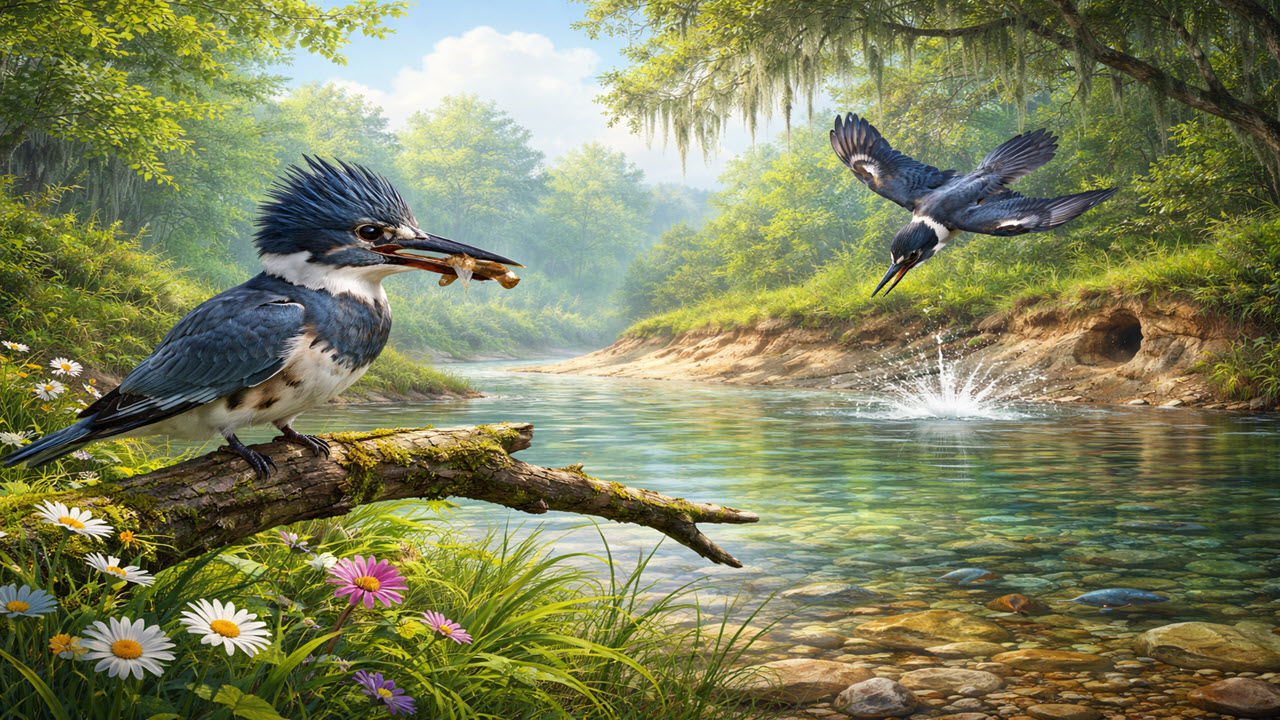
Spring has sprung here in North Carolina, which means pollen, pollen, and more pollen. Tis the time of year when everything appears as if it was swiped with a yellow highlighter. It’s also the time of year when the breeding season of this month’s weird and wonderful focus ramps up: enter the belted kingfisher, Ceryle alcyon. This visually distinctive bird can be found alongside waterbodies in our state, and while they are solitary for most of the year, they form monogamous pairs during the breeding season, which lasts from late March in warmer climates through July. Around the size of a pigeon, these birds are a powder blue color on top, with a white underbelly and blue breast band. Female belted kingfishers also have a wide, rust-colored band on their bellies. The bushy crest present on top of their large head and thick, sharp bill make this bird a recognizable sight to people enjoying our state’s lakes and rivers, though many people first realize belted kingfishers are in the area when they hear the loud, eerie rattle emitted by both males and females. 

Belted kingfisher, Ceryle alcyon. Photo courtesy of Evelyn Garcia and Audubon

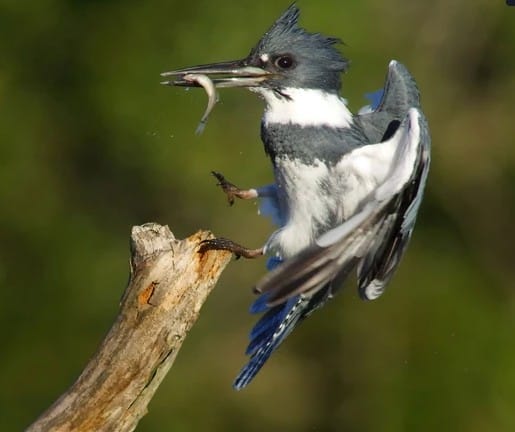
Belted kingfishers, as their name implies, feast on fish that they catch in clear bodies of water. The water needs to be clear so they can see the fish from above; once they have spotted a fish near the surface, they dive, eyes fully closed, and grab it with their bill. Upon returning to their perch with their meal, they bash it against the perch before swallowing it head first. These birds have also been known to hover over the surface of the water, searching for prey, before quickly diving down to catch their prize. Fish are not the only item on the menu: belted kingfishers also eat crayfish, amphibians, reptiles, young birds, insects, mollusks, and even small mammals. Essentially, if they can swallow it, they will catch it and eat it. The skeletons, mollusk shells, insect exoskeletons, and other indigestible pieces are later regurgitated as pellets, similar to the pellets of owls and other large birds of prey. 

Individual belted kingfishers will establish territories that run parallel to the shoreline of lakes, rivers, and large streams. When an intruder is spotted, a belted kingfisher may fly back and forth across the water while emitting their trademark rattling call, or they may land on a nearby perch and bob their body up and down while elevating their crest to scare them off. When breeding season begins, males and females cease being solitary and form monogamous pairings; however, these pairings do not last beyond a single mating season. When the next breeding season rolls around, they will find different mates. As part of the courtship process, a male belted kingfisher will present a fish he has caught to a female who has landed nearby, and she may eat the fish he presents. 

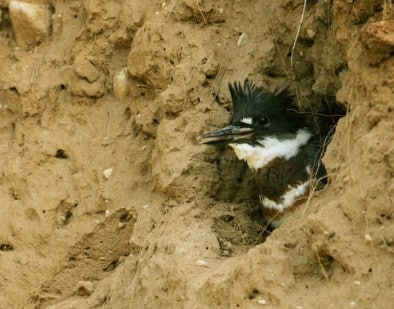
Female belted kingfisher emerging from her burrow. Photo courtesy of Jack Bartholmai and Kickapoo Valley Reserve

One of the weird and wonderful traits of this species is that they do not nest in trees. Instead, they nest in burrows! Both the male and female take turns excavating a tunnel that stretches from 3-6 feet long. It is during this task that their thick, sturdy bill comes in handy as a digging tool. Belted kingfishers need vertical banks in which to dig their tunnels, which is why some water bodies without tall vertical banks may have several kingfishers that feed there, but do not nest there. The tunnels slope upwards to prevent rainwater from pooling inside, and throughout the incubation process, the undigested skeletal remains, mollusk shells, and other refuse regurgitated by the parents provide some insulation. The eggs are pure white and glossy, and a female will lay a clutch ranging from 5-8 eggs. After about 24 days, the eggs hatch, and both parents feed the chicks, starting off their diet with partially digested fish but progressing to whole fish by the time the chicks leave the nest a month later. Belted kingfisher chicks have their own weirdly wonderful trait: their stomach contents are highly acidic, which allows them to digest bones, scales, shells, and other typically indigestible bits until they are ready to leave the nest. Following their departure, their parents will continue to feed them for about three weeks. Due to the warmer climate, belted kingfishers in North Carolina may be able to raise two broods each year. Once their young have grown up and left to establish their own territories, their parents will split and return to their solitary lifestyle. 

Once hunted to prevent them from eating fish in hatcheries and trout streams, belted kingfisher populations today are steady, and the species is of low conservation concern. They are sensitive to site disturbance, though, and may abandon their territories if there is too much human activity in the direct vicinity. So, if you are feeling like braving the pollen dust storm and accompanying allergies to visit one of our state’s beautiful lakes, rivers, and streams this spring, you might be fortunate enough to watch a belted kingfisher flitting about the banks and water, hunting for prey. These carnivorous birds are truly a weirdly wonderful sight to behold. 

#BeltedKingfisher #NCWildlife #NorthCarolinaWeirdandWonderful #WetlandWednesday #TheSwampSchool
Posted on — Leave a comment

North Carolina’s Weird and Wonderful: Striped Skunk

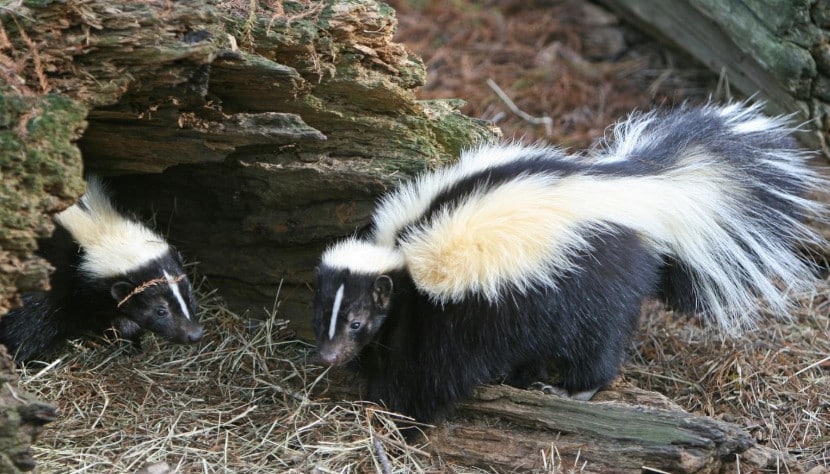
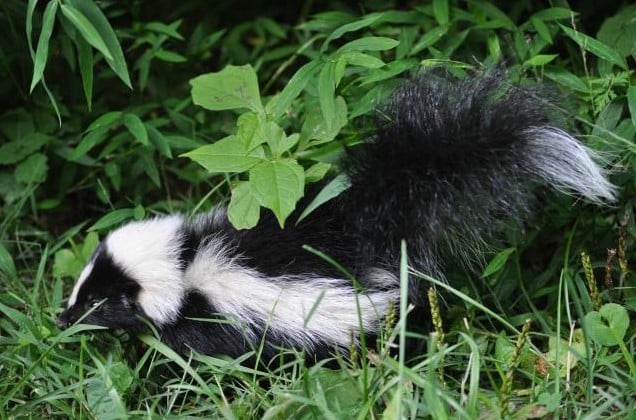
Striped skunk, Mephitis mephitis. Photo courtesy of Joe Shimel and Mammals of North Carolina.

Ah, love is in the air. Yes, I know it’s been a few weeks since Valentine’s Day, but for a certain non-human mammal in North Carolina, the season of romance is still underway. In fact, as you drive along the country roads and highways in our state, you may get a whiff of a pungent musk more often now than during other times of year. In case you haven’t guessed this month’s weird and wonderful focus yet, I will end your suspense: it’s the striped skunk. This house-cat-sized mammal, Mephitis mephitis, is on the prowl and looking for love. 

The striped skunk is one of two skunk species in North Carolina, and, while found throughout our state, is more common in the mountains and becomes more scarce the further towards the coast you travel. Primarily nocturnal, striped skunks inhabit a wide range of natural spaces, including mountain forests, meadows, and cultivated lands, though they are seldom found in wetland habitats.  These mammals are omnivorous and consume lots of insects, helping with pest control, but they also eat rodents, berries, fruits, eggs, and small amphibians and reptiles. Breeding season begins in mid to late February and continues into early March, which is why striped skunks tend to be seen (or smelled) more often during this time of year. After a gestational period of 59-77 days, litters ranging from 2 to 10 baby skunks are born. Opening their eyes for the first time around 22 days old, they are fully weaned by the time they are 8 weeks old. While striped skunks in captivity have lived to be over 10, most skunks in the wild live anywhere from 2 to 5 years. 

Striped skunks, Mephitis mephitis. Photograph courtesy of North Carolina Wildlife Resources Commission.

Striped skunks get their name from the two parallel white stripes that generally start as one stripe on their head and split into two around their shoulder blades. The stripes can be very broad, leaving a smaller patch of black fur on their back, or they can be thinner, resulting in a larger portion of their back being covered in black fur. Their bushy tails can be all white, all black, or a mix of the two colors. After their monochromatic appearance, striped skunks are best known for their ability to produce and spray a chemical secretion that causes great irritation to other mammals. When threatened, this species will stamp their feet, repeatedly click their teeth together, arch their back, and raise their tail to warn the intruder. If the perceived threat does not go away, the skunk will assume a U-shaped position, which enables the skunk to face the threat with both its eyes (so it can see the target) and its scent glands. Striped skunks can propel their stream of musk up to 6 yards away with incredible accuracy, a weirdly wonderful and smelly feat! While their stink has a strong effect on mammals, birds tend to not be affected, which is why the main predator of wild striped skunks is the great horned owl. Silent and deadly, these large birds of prey can swoop in and catch a skunk before they can even think about readying, aiming, and firing their chemical weapon. 

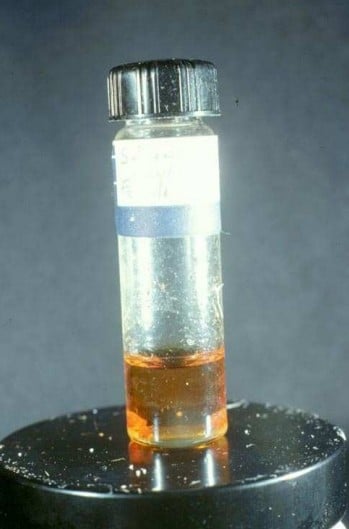
Sample of a striped skunk’s defensive secretion. Photograph courtesy of W.F. Wood and Cal Poly Humboldt.

Subsequent chemical analyses performed on striped skunks’ musk has revealed that it consists of thiols and thioacetates, primarily (E)-2-butene-1-thiol, 3-methyl-1-butane-thiol, and (S)-(E)-2-butene thioacetate. These chemical compounds cause an extreme reaction in mammals, especially if they get into their eyes or end up being ingested. There are even historical medical reports of people being rendered unconscious by high concentrations of striped skunk secretions. More often, though, people experience skunks secondhand through their pets’ interactions with them. While tomato juice has long been proclaimed the solution to skunk odor, research has shown that people tend to experience olfactory fatigue and fail to smell the secretion anymore, thus assuming the tomato juice has done its job. In reality, the thiol compounds are still there, and their presence is often confirmed by another person, fresh on the scene, exclaiming that the stink has not been eradicated and needs more tomato juice. The secret to dispelling the skunk odor is to oxidize the thiols to sulfonic acids, and there are many oxidizing agents that can get the job done. One of the better home remedies out there, developed by Mr. Paul Krebaum of Illinois from a laboratory method, is to bathe the afflicted pet in a mixture of 1 quart of 3% hydrogen peroxide, ¼ cup of baking soda, and a teaspoon of liquid detergent, taking care not to get the solution in the pet’s eyes or mouth. After five minutes, rinse the pet with water, and bathe again in the same solution if necessary. This mixture must never be stored in a closed container, as it releases oxygen and may result in the closed container exploding, and it needs to be used as soon as it is concocted. So, let’s give striped skunks some space while they engage in their romantic endeavors this February. It might be a good idea to stock up on some baking soda and hydrogen peroxide, though, just in case your dog ends up becoming a third wheel. 

Posted on — Leave a comment

Global Water Bankruptcy: Our World Is Living Beyond Its Hydrological Limits

The following blog post is a summary of the report Global Water Bankruptcy: Living Beyond Our Hydrological Means in the Post Crisis Era, published by the United Nations University Institute for Water, Environment, and Health on January 20, 2026. To read the full report, click here.

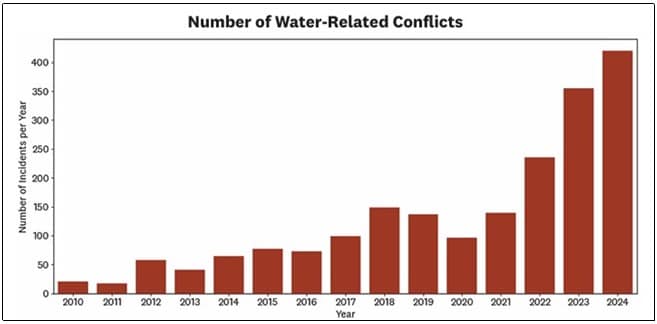
The United Nations University Institute for Water, Environment and Health report Global Water Bankruptcy: Living Beyond Our Hydrological Means in the Post Crisis Era presents a clear diagnosis that the world has entered a new and dangerous phase in its relationship with water. The report argues that decades of overuse have pushed many human water systems beyond their ability to recover, even during years with normal rainfall. Rivers, lakes, wetlands, aquifers, soils, and glaciers have been depleted or degraded faster than they can be replenished. This condition is described as global water bankruptcy, a state in which long term water use exceeds renewable inflows and safe depletion limits. The report emphasizes that this is not a future risk, but a present reality affecting societies on every continent.

Graphic courtesy of the United Nations University Institute for Water, Environment, and Health.

A central contribution of the report is its distinction between water stress, water crisis, and water bankruptcy. Water stress refers to high pressure on water resources that is still largely reversible with better management. Water crisis describes acute, time limited shocks such as droughts or floods that can, in principle, be overcome. Water bankruptcy, by contrast, is a persistent post crisis condition in which irreversible damage has already occurred. Compacted aquifers do not rebound, lost wetlands do not return, and disappearing glaciers cannot be restored within human time scales. According to the report, continuing to frame these conditions as crises obscures the true scale of the problem and encourages ineffective responses.

Graphic courtesy of the United Nations University Institute for Water, Environment, and Health.

The report documents extensive evidence of water bankruptcy across surface water, groundwater, food systems, and ecosystems. More than half of the world’s large lakes have lost water since the early 1990s, and around seventy percent of major aquifers show long term declining trends. Groundwater depletion has caused widespread land subsidence, affecting millions of square kilometers and putting billions of people at risk. Agriculture, which accounts for roughly seventy percent of global freshwater withdrawals, is increasingly undermined by declining water storage and degrading water quality. At the same time, pollution from wastewater, agriculture, and industry is shrinking the fraction of water that is safe and usable, even where total volumes appear stable.

Graphic courtesy of United Nations University Institute for Water, Environment, and Health.

In response to these realities, the report calls for a shift from crisis management to water bankruptcy management. Rather than trying to restore past conditions that no longer exist, societies must acknowledge irreversible losses and adapt to permanently tighter hydrological limits. This includes rebalancing water rights and expectations, protecting remaining natural capital, and prioritizing basic human needs and ecosystem functions. The report stresses that water bankruptcy is also a justice and security issue, as its impacts fall most heavily on vulnerable communities. It concludes by urging the international community to use upcoming global milestones, including the UN Water Conferences in 2026 and 2028, to reset the global water agenda and align governance with hydrological reality.

#WaterBankruptcy #UNUINWEH #WaterSecurity #WetlandWednesday #TheSwampSchool
Posted on — Leave a comment

North Carolina’s Weird and Wonderful: Skunk Cabbage

Skunk Cabbage in Winter Illustration

Just when you thought you were going to make it through the winter unscathed, an ice storm rolls in. We are just starting to thaw out here in North Carolina, and while warmer days are still a month or two away for us humans, one particular plant is creating its own climate. This month’s Weird and Wonderful focus is on the skunk cabbage, Symplocarpus foetidus. Found in mountain bogs, this rare species is named after its cabbage-like form and its unpleasant odor. The odor has a two-fold purpose: for one, the stink attracts insect pollinators that normally feast on carrion, feces, and other waste, such as flies and the occasional carrion beetle. Two, the smell allows herbivores to remember the unpleasant texture of its leaves after they eat it for the first, and hopefully the last, time. 

Symplocarpus foetidus, skunk cabbage. Photograph courtesy of Marc Seelinger.

As skunk cabbage is one of the first plants to emerge, often doing so in January and February, there are very few pollinators out and about, so this plant has to take what it can get. And, as there is very little greenery available for herbivores to eat in the dead of winter, skunk cabbage can be an appetizing target, until the crystals of calcium oxalate present in its leaves irritates the herbivores’ mouths after their first bite. Skunk cabbage consists of leaves that emerge in spring and are anywhere between 10 and 20 inches long and typically as wide. However, the flower emerges far earlier and consists of a fleshy structure called a spathe, which encloses a structure called a spadix. The spathe is very hood-like and shelters the ball-like spadix, which contains numerous tiny flowers. Brownish purple in color and usually spotted or striped in pattern, the spathe is a weird-looking structure, but it has some wonderful abilities. Its unique shape provides insulation for the spadix and can also deflects air currents around it, thus maintaining a stable temperature inside the hood. Through plant respiration, the spadix is able to produce its own heat and regulate flower temperature. Yep, that’s right, this weird and wonderful plant has the rare ability to generate heat!

Symplocarpus foetidus, skunk cabbage, in bloom. Photograph courtesy of UW-Madison Wisconsin Arboretum.

That heat not only protects the flowers, but also makes them more attractive to the handful of pollinators that are out in late winter. If the scent doesn’t draw them in, the warmth sure will! The flowers, strangely enough, do not have any petals and are protogynous, meaning their female parts flower first. The flowers at the top of the spadix are the first to bloom, and by the time the plants along the bottom begin blooming, the top flowers have produced their male parts. Pollination is then able to begin. The spadix develops into a compound fruit with heavy seeds the size of marbles. Squirrels and some bird species have been known to consume the seeds, but skunk cabbage, for the most part, appears to be a plant for the bugs. Honeybees are sometimes seen within the warm hood in early spring; isopods feast on the decaying leaves and spathes; and spiders often spin webs across the spathe’s opening to catch prey. The marbled cobweb spider, Enoplagnatha marmorata, is often found at the base of the spadix, where it mimics a pollinating male flower. So, the next time you find yourself in a mountain bog, in the dead of winter, in the far-flung northwestern corner of our state, you might get lucky and spy some skunk cabbage. This is one weird and wonderful plant everyone should see in the wild at least once. 

#SkunkCabbage #WeirdPlants #NorthCarolinasWeirdandWonderful #WetlandWednesday #TheSwampSchool
Posted on — Leave a comment

North Carolina’s Weird and Wonderful: Ornate Chorus Frog

Pseudacris ornata, the ornate chorus frog. Photograph courtesy of Todd Pierson and Herps of NC.

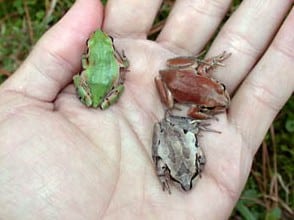
It’s time to wrap up another year and welcome a new one. Time to pack up elaborate light displays and Charles Dickens-style caroling outfits. And it is also time for another edition of North Carolina’s Weird and Wonderful. To finish up the year, and in the spirit of singing carols, I decided to focus on an amphibian: Pseudacris ornata, the ornate chorus frog. A small, plump frog that comes in colors ranging from reddish brown to green, tan, or gray, this colorful species’ calls can be heard now through March in the southern Coastal Plain of our state. While it is similar to the call of the spring peeper frog, the ornate chorus frog’s call is more metallic, rapid, and monotonic, sometimes described as a metallic “tink”. 

Color variations of the ornate chorus frog, Pseudacris ornata. Photograph courtesy of the University of Georgia’s Savannah River Ecology Laboratory.

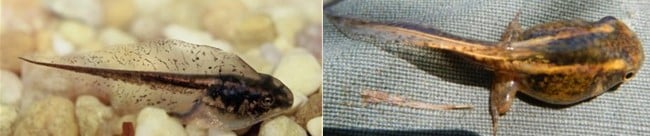
This species is one that very few have seen, as they are nocturnal, and historical natural history records suggest that this species, unlike other chorus frog species, is more fossorial in nature. This means adult ornate chorus frogs spend a good portion of their time in burrows, as opposed to shrubs and trees like other frogs. This weird and wonderful habit would explain why they are hard to find when not actively engaged in breeding behavior, which primarily occurs during the winter months. Ornate chorus frogs utilize temporary ponds, vernal pools, Carolina bays, and even flooded ditches as breeding grounds in longleaf pine stands and pine savannas. Females deposit their egg clusters, which can range in size from 10 eggs to 100 eggs, on stems or other objects submerged in shallow water. The eggs hatch after 1-2 weeks, and it takes the tadpoles about 8-12 weeks to complete metamorphosis. A smaller frog species overall, the freshly metamorphosed froglets are almost the size of adult ornate chorus frogs. 

An ornate chorus frog tadpole, left, and an older ornate chorus frog tadpole, right. Left photograph courtesy of John Jensen; right photograph courtesy of Kevin Enge; and both photographs courtesy of Angela K. Burrow and Southeast PARC.

Unfortunately, the population of ornate chorus frogs in North Carolina is declining, due to the destruction of temporary wetlands, longleaf pine stands, and pine savanna habitats. This weird and wonderfully colorful frog will be at an increased risk of disappearing come 2026, when the new Waters of the U.S. rule will go into effect, as many isolated, temporary wetlands that this species use for breeding will lose federal protections. Since North Carolina does not impose environmental restrictions greater than those at the federal level, the ornate chorus frog, and many other amphibians, will need the public to champion them and work to preserve their habitats. So, if you have never seen the ornate chorus frog in the wild, but would like to in the future, make sure your local and state leaders know how important the wetland habitats of the longleaf pine stands and pine savannas are to our state’s overall biodiversity. The fate of this beautifully weird and wonderful frog may very well rest in your hands. 

#NCWeirdAndWonderful #OrnateChorusFrog #NorthCarolinaWildlife #AmphibianAwareness #WetlandConservation #Biodiversity #NativeSpecies #TheSwampSchool

Posted on — Leave a comment

New Freshwater Mussel Species Discovered in North Carolina

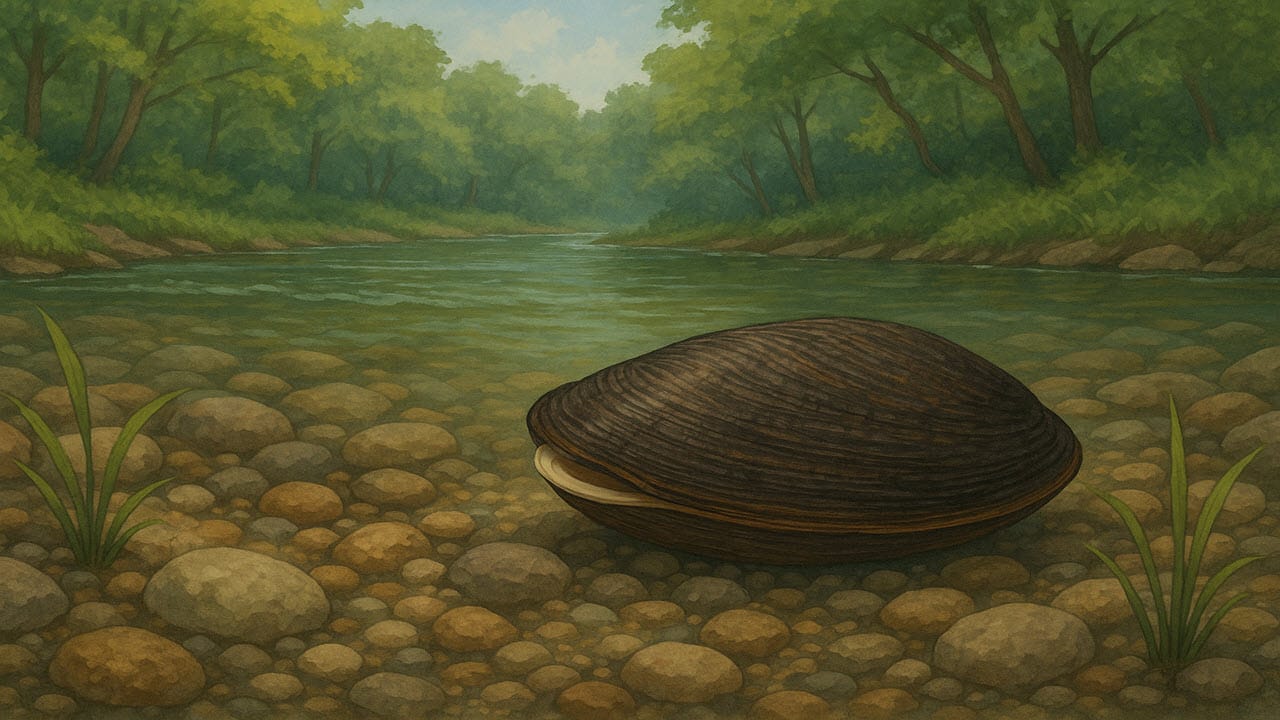
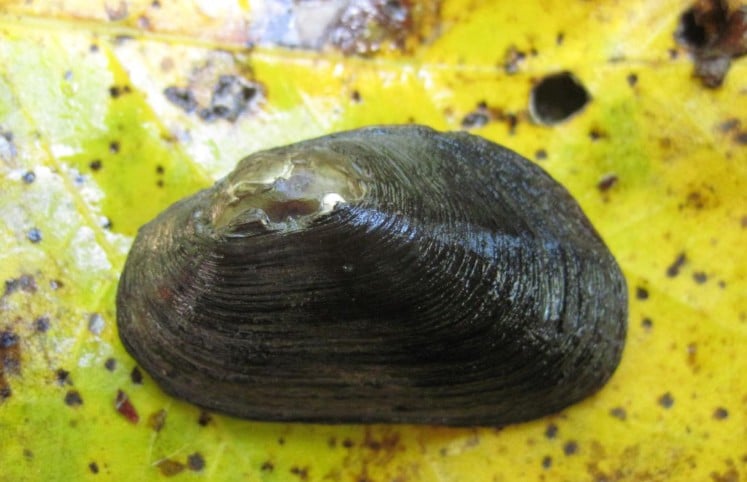
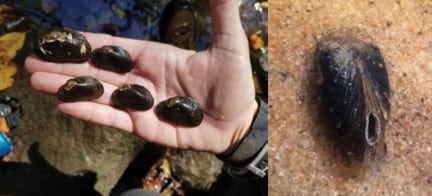
It’s official: North Carolina has a new species of freshwater mussel, Ligodonta obscura, the solstice creekmussel! The journey from discovery in the wild to officially describing it as a new species has been a long one, almost a decade in the making. It all started in 2016, when biologists with the North Carolina Wildlife Resources Commission (NCWRC) were performing a routine mussel survey on the Little River. One of the specimens they collected didn’t quite match up with the physical characteristics of another similar species, so they collected a tissue sample for further testing and a live specimen. Subsequent surveys were conducted through 2022, with more tissue samples taken for genetic testing, and live individuals transported to the NCWRC Marion Conservation Aquaculture Center (MCAC) so life history studies could be conducted. The genetic testing results revealed that the individuals determined to be solstice creekmussels were genetically distinct from other mussel species, adding a whole new branch to freshwater mussel family tree!

Ligodonta obscura, the solstice creekmussel. Photograph courtesy of Brena Jones and the NC Wildlife Resources Commission.

When the biologists found the first specimen back in 2016, the trait that first gave them pause was the mussel’s teeth. Now, as some of you may already know, mussels are filter feeders: they siphon water into their bodies, filter out food particles, and release the filtered water back out. So why do mussels have teeth? Well, in bivalves, which are organisms with a compressed body enclosed within a hinged shell, their “teeth” are actually interlocking structures that hold the two halves firmly together. The morphology, aka shape and structure, of the teeth on the collected specimen looked different than the known teeth morphology of another freshwater mussel species. Curious, the biologists began performing more mussel sampling surveys in Little River and nearby streams; continued conducting genetic tests on collected tissue samples; and kept studying the physical traits of the preserved and live specimens that they had come across on during their surveys. Three historic specimens found housed within the North Carolina Museum of Natural Sciences research collections had been collected from a different stream a few years prior and were subsequently recognized as members of the new species during the recent research effort.

Left, five solstice creekmussels collected during a mussel survey; right, a live solstice creekmussel housed at the NCWRC MCAC. Photographs courtesy of Michael A. Perkins, the NC Wildlife Resources Commission, and the NCWRC MCAC.

Ultimately, it was the genetic testing that revealed the solstice creekmussel was on its own branch of the phylogenetic tree. Not only was this a new species, but this mussel also represented a whole new genus! The scientists decided to call the genus Ligodonta, meaning “little tooth”, and the species obscura, referring to the fact that this species was only recently discovered. It’s proposed common name, solstice creekmussel, refers both to its preferred creek bed habitat and to its reproductive biology. Remember those live specimens that were transported to the MCAC for further study? Well, those studies revealed that the mussels spawned during the winter solstice.

Unfortunately, more recent mussel surveys have revealed that the historic range of this species, already pretty small, has gotten even smaller. Today, the solstice creekmussel is only found in a four-mile stretch of stream within the Yadkin-Pee Dee River system. For those of you who are not particularly bothered by the plight of a tiny bivalve in a stream in the middle of North Carolina, you might want to start paying attention. Mussels are important for two big reasons: they clean water by filtering out sediment and excess nutrients and they provide a very important water quality indicator for people. If mussels are living in a stream, that means that water supply is healthy, and safe for people, animals, and crops. However, if the mussels are struggling, that means the water is too polluted, with sediment, excess nutrients, and harmful toxins, for them to thrive. Consequently, whatever is in the water making it too polluted for them is also in the water people and animals drink and the water used for agriculture. So, for those of you out there you who enjoy clean water to drink and crops watered with clean, non-toxic water, show your gratitude to the freshwater mussels by helping protect your local watershed. Clean water benefits everyone.

#FreshwaterMussels #SolisticeCreekmussel #CleanWaterForAll #NCWildlife #WetlandWednesday #TheSwampSchool
Posted on — Leave a comment

North Carolina’s Weird and Wonderful: Black Walnut Tree

Last year, I decided to focus on the mighty cranberry plant for my November’s Weird and Wonderful focus. It felt appropriate for Thanksgiving and is certainly a native plant that should receive more attention in our state. This year, I have decided to write about another plant, one that I am a huge fan of and subsequently believe deserves a seat at the Thanksgiving table, too. While it might be lesser known, it is no less mighty: the humble black walnut tree, Juglans nigra. This towering tree has a rich history and produces a very useful, very nutritious nut. 

The black walnut tree is a large one, growing upwards of 100 feet tall, though some individual trees have reached heights of 150 feet tall. With dark brown, almost black bark and alternate, pinnately compound leaves, this tree species is hard to miss in the forest of North Carolina. It thrives in moist, nutrient-rich forests, particularly basic mesic and alluvial forests. Alluvial refers to alluvium, which is a deposit of clay, silt, sand, and gravel left behind by flowing streams in a river valley or delta, which results in very fertile soil over time. You can often find these trees in floodplain forests in North Carolina. Shade intolerant, sapling black walnut trees require openings in the forest canopy in order to become established. Once established, this species produces juglone, a chemical that inhabits the growth of some, but not all, of the competing plant species in the immediate vicinity. Juglone does this by inhibiting the respiration of those plants, resulting in them not producing enough energy for their metabolic processes. Juglone can remain in the soil for extended periods of time, even after the tree is no longer there, which is a weird and wonderfully crafty way of making sure only black walnut saplings are able to rise up in the old tree’s place.  A fallen black walnut tree is not going to go to waste: the wood is prized for making furniture, gun stocks, and flooring, as its grain polishes easily and maintains its shine. My favorite part of the black walnut tree is the nut: large and fragrant, with a tough outer hull, this walnut is a steady source of food for both wildlife and humans alike. 

Most walnuts purchased in grocery stores today are English walnuts grown in orchards, typically from California. Black walnuts are primarily harvested from wild trees, though efforts to establish orchards of this species have been underway for several years. The fall crop is predominantly from Midwestern and East-Central states, with North Carolina among them. Black walnuts are best picked as soon as they hit the ground, when their hulls are primarily green, and are harvested by hand. They contain a very high protein content, making them an excellent nutritional resource. Many people add black walnuts to cakes, ice cream, and even their Thanksgiving stuffing (or dressing, as some people call it). The sooner you can crack the hull, the better the nut tastes!  Once you have broken through to the nut, don’t throw the hull away! That’s right: the hull of this weird and wonderful nut also serves a multitude of purposes. It can be ground up into a powder and used as abrasive cleansers for jet engines; as a smoothening and exfoliating agent in soaps, cosmetics, and dental cleansers; and even as a filler in the production of dynamite, amongst other uses. Who knew? So, the next time you happen upon a black walnut tree that has dropped its bounty, pick up one of the large walnuts, take a whiff, and give thanks. This underrated tree species, and its useful, highly nutritious nut, is another great addition to the weird and wonderful species of North Carolina. 

#BlackWalnutTree #NorthCarolinasWeirdandWonderful #HappyThanksgiving #TheSwampSchool
Posted on — Leave a comment

North Carolina’s Weird and Wonderful: Jack-O-Lantern Mushroom

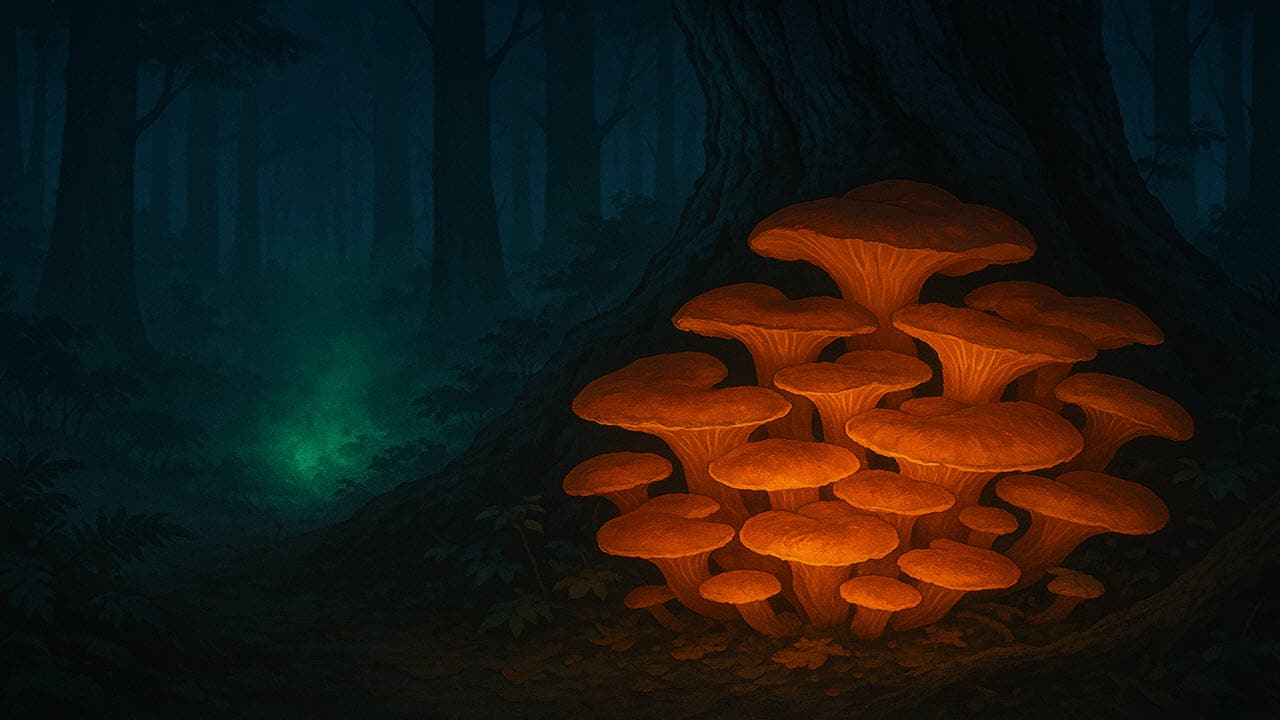
Illustration of jack-o-lantern mushrooms in the forest at night

It’s that wonderful time of year again: Halloween! Which means it is also time for this year’s October edition of North Carolina’s Weird and Wonderful! Last year, as you may recall, I was inspired by The Creature from the Black Lagoon and wrote about the two-toed amphiuma, one of our rarely seen aquatic amphibians. This year I’m sticking to land creatures, and, as I am in a ghost mood, have decided to focus on a glowing phantom of North Carolina forests: Omphalotus illudens, the jack-o-lantern mushroom. 

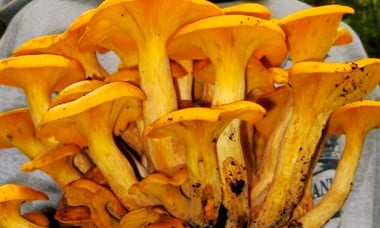
Clump of Omphalotus illudens, the Jack-O-Lantern mushroom. Photograph courtesy of Kathie Hodge and Cornell University’s Cornell Mushroom Blog.

Part of a larger family of mushrooms with bioluminescence as a defining trait, the jack-o-lantern mushroom found in North Carolina is large and grows in clusters, often at the base of stumps and dead hardwood trees. Oaks, it seems, are a favorite group for this mushroom, which emerges in late summer and early fall, right in time for the Halloween season. Its impeccable timing, combined with its glow-in-the-dark powers and bright orange to orange-yellow color, is what gives this mushroom its common name. So, how do jack-o-lantern mushrooms glow in the dark? This fungal species emits an eerie green light, which is made possible through the Caffeic Acid Cycle (CAC). In this cycle, caffeic acid is the raw material biosynthesized into the small molecule substrate luciferin. Luciferin is then catalyzed into luciferase, an enzyme that subsequently catalyzes a reaction with oxygen to produce light and more caffeic acid. If those names sound familiar, it’s because they were derived from the Latin word “lucifer”, which means “light-bearer”. It is hypothesized that jack-o-lantern mushrooms, and other bioluminescent fungi, evolved as “light-bearers” to attract insects, which help spread fungal spores. That’s pretty weird and wonderful, if you ask me. 

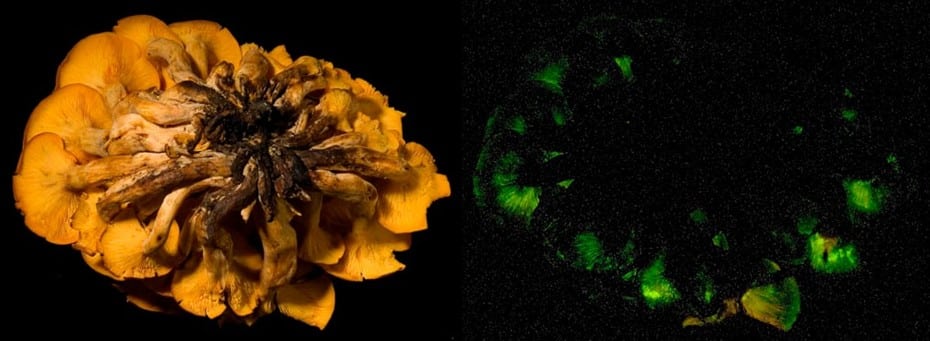
Jack-O-Lantern mushroom photographed without long-exposure, left, and photographed with long-exposure, right, to capture the bioluminescent light. Photographs courtesy of Kent Loeffler and Cornell University’s Cornell Mushroom Blog.

Now, while jack-o-lantern mushrooms look cool, under no circumstances should you ever try to eat one. Consuming some of these mushrooms will cause severe gastrointestinal distress. Unfortunately, some people confuse this species with the chanterelle mushroom, which is a popular edible fungus. Anyone interested in learning about mushroom foraging should work with a mycologist (someone who studies mushrooms) for a while until they are able to confidently identify by themselves which fungal species are safe to eat and which ones, like the weird and wonderful jack-o-lantern mushroom, should be left alone.  So, while you’re out for a stroll or going trick-or-treating this Halloween season, keep your eyes peeled for a greenish glow in the forest. It might be North Carolina’s jack-o-lantern mushroom. Or, you know, a ghost.

#JackOLanternMushroom #Bioluminescence #ForestFinds #NorthCarolinasWeirdandWonderful #TheSwampSchool