
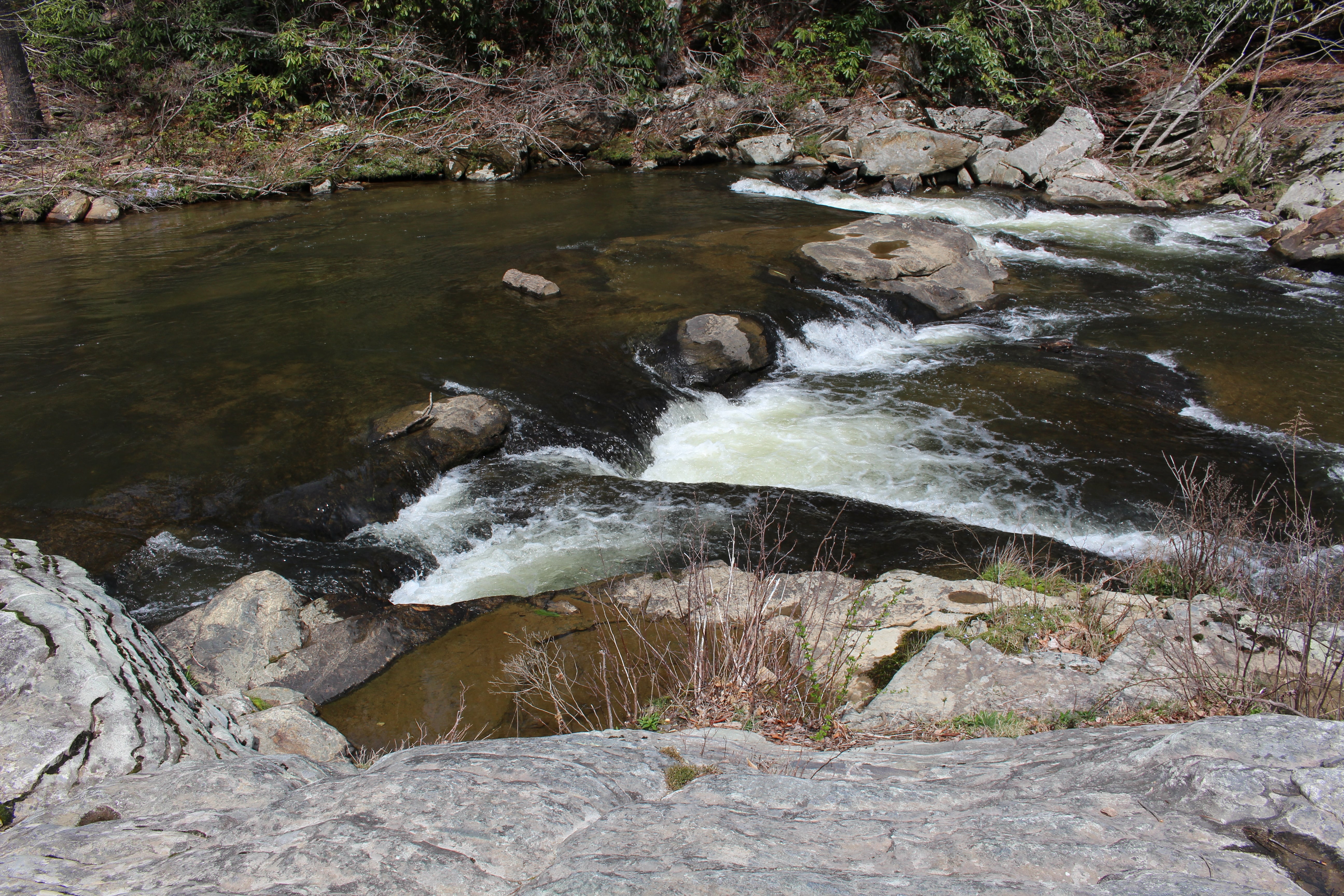
The Department of Streams at the Swamp School is a premier destination for in-depth education and training on stream ecology, assessment, restoration, and regulatory compliance. This department supports professionals who work in aquatic resource management by offering a range of courses that integrate scientific research with real-world applications in the field.
Our mission is to prepare students and professionals to address complex stream-related challenges—such as erosion, habitat degradation, and hydrologic alteration—through data-driven strategies and best management practices. Whether you’re restoring impaired streams, evaluating stream health, or preparing permit documentation, our programs are designed to provide the tools and training necessary to make informed, science-based decisions.
What You Will Learn
- Stream Ecology and Hydrology Fundamentals
Explore the physical and biological processes that shape stream systems, including flow dynamics, sediment transport, channel formation, and aquatic ecosystem function. - Stream Classification and Assessment
Learn to classify stream types using established frameworks like the Rosgen classification system and apply field-based assessment protocols to evaluate stream health, stability, and habitat quality. - Biological Monitoring Using Macroinvertebrates
Master the use of aquatic macroinvertebrates as bioindicators to assess stream condition, water quality, and the impacts of land use or pollution. - Stream Restoration Techniques
Gain hands-on knowledge of restoration practices such as natural channel design, bank stabilization, in-stream habitat enhancement, and riparian buffer implementation. - Hydrologic Modeling and Flow Duration Tools
Use streamflow modeling techniques, including the USACE Stream Duration Assessment Method (SDAM), to predict hydrologic permanence and inform regulatory decisions. - Jurisdictional Determinations and Regulatory Compliance
Understand how streams are evaluated for federal and state protection under the Clean Water Act, and learn to document physical indicators and connectivity to support or refute jurisdictional status. - Watershed and Land Use Interactions
Examine how land management, urbanization, and agriculture affect stream systems, and explore integrated watershed approaches to sustainable stream and floodplain health. - Field Survey Techniques and Data Collection
Develop practical field skills in stream mapping, flow measurements, cross-section surveys, and geomorphic assessments using standard tools and protocols.
Course Offerings
-

Stream Restoration Part 1 – Foundations
$1,899.00 -
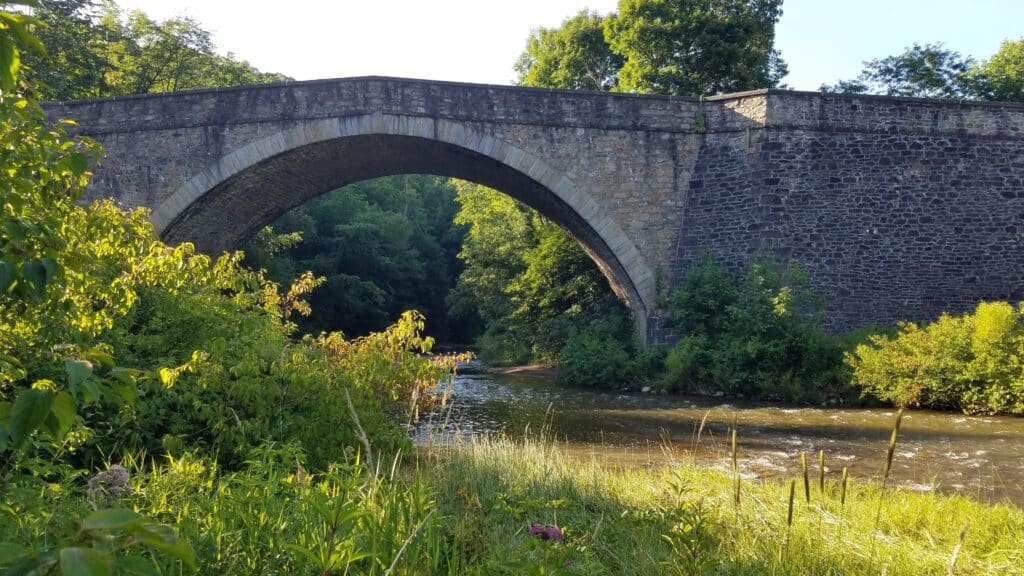
National Ordinary High Water Mark Field Delineation for Rivers and Streams
$1,699.00 -
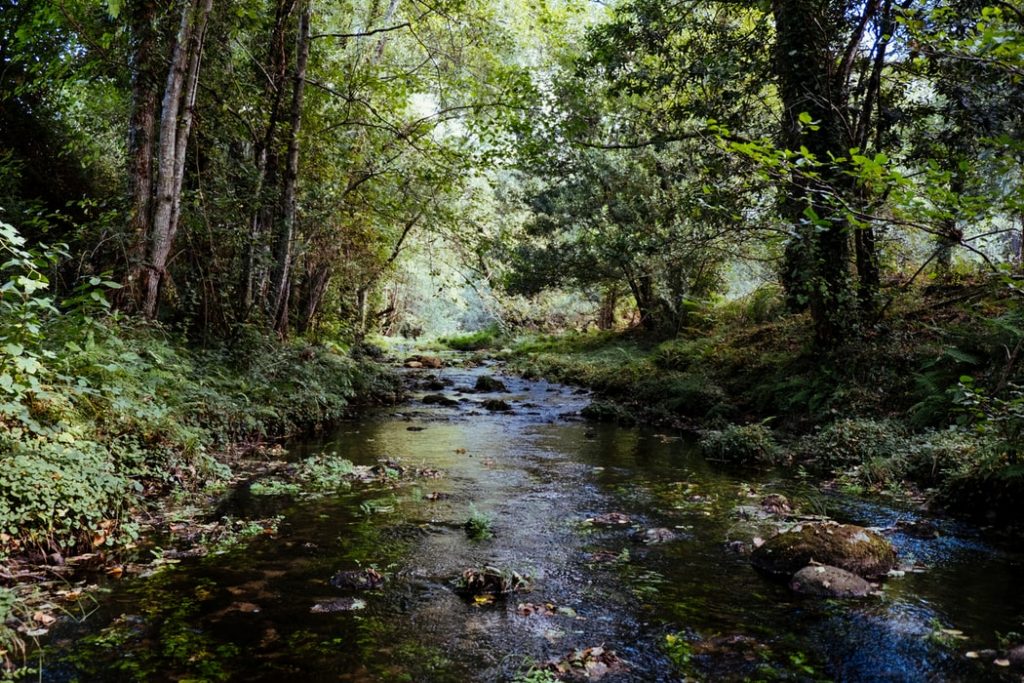
Determining Perennial or Intermittent Flow Classifications
$899.00 -
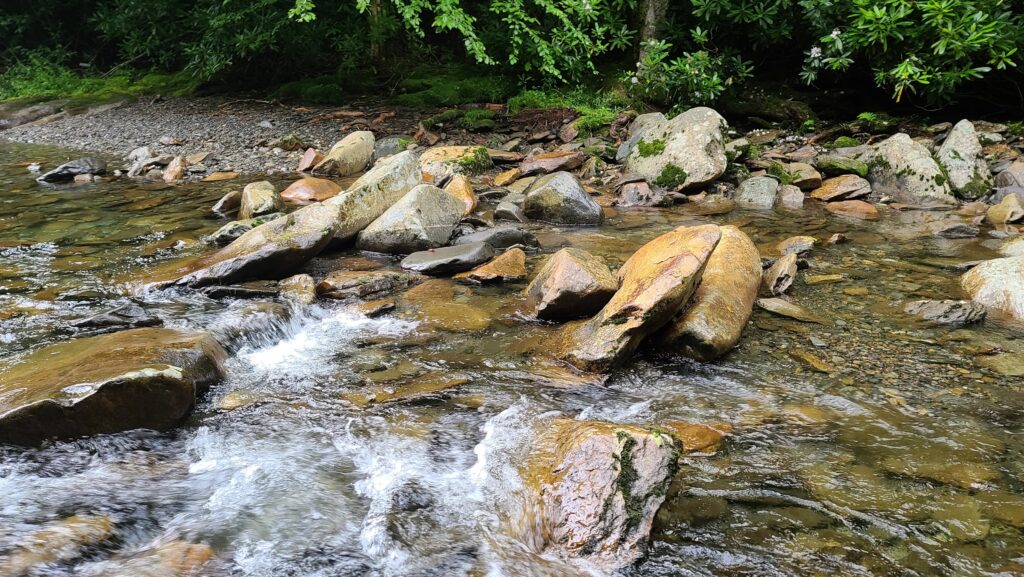
Streamlining Water Management: An In-Depth Webinar on the USACE Stream Duration Assessment Model
$179.00 -

Clean Water Act Training: Mastering Macroinvertebrates – A Professional Workshop for Jurisdictional Determinations – The Swamp School
$1,299.00 -

Functional Mitigation Design for Dam Removals
$1,699.00 -

Stream Restoration Part 2 — Assessment
$1,899.00 -
Stream Restoration Certificate Tracks
Price range: $4,795.00 through $6,295.00 -
Certified Stream Restoration Professional (CSRP™)
Original price was: $9,695.00.$7,495.00Current price is: $7,495.00.
Career Pathways in Stream Science and Restoration
Training in the Department of Streams prepares students for in-demand roles at the intersection of water resources, environmental consulting, regulatory compliance, and ecological restoration. Whether you’re collecting field data, restoring degraded waterways, or navigating permitting requirements, your skills will support healthier watersheds and sustainable development.
- Stream Restoration Specialist
Design and implement restoration projects that enhance stream function and stability. Work with conservation organizations, engineering firms, or state and federal agencies to restore aquatic ecosystems and mitigate environmental impacts. - Water Resources or Environmental Consultant
Conduct stream assessments, develop stormwater management plans, and help clients comply with Clean Water Act regulations, especially during land development and infrastructure projects. - Field Hydrologist or Geomorphologist
Apply hydrologic modeling, flow measurements, and sediment transport analysis to evaluate stream behavior and recommend solutions for erosion, flooding, and habitat degradation. - Regulatory Specialist or Jurisdictional Delineator
Work with the U.S. Army Corps of Engineers, state environmental agencies, or private firms to determine stream jurisdiction status and prepare documentation for Section 404 permitting. - Watershed Coordinator or Planner
Lead efforts to improve water quality and watershed health by coordinating with stakeholders, implementing best management practices, and integrating land use planning with stream conservation. - Aquatic Biologist or Macroinvertebrate Specialist
Monitor aquatic ecosystems using biological indicators such as macroinvertebrates to assess stream health and support environmental impact studies and conservation strategies. - GIS and Remote Sensing Analyst (Hydrologic Focus)
Use geospatial tools to map stream networks, model drainage patterns, and analyze land use impacts across watersheds, supporting planning, restoration, and regulatory efforts. - Conservation Technician or Non-Profit Program Staff
Support field-based conservation initiatives through data collection, outreach, restoration assistance, and habitat monitoring with NGOs, land trusts, or conservation districts.
Join Our Stream Science Community
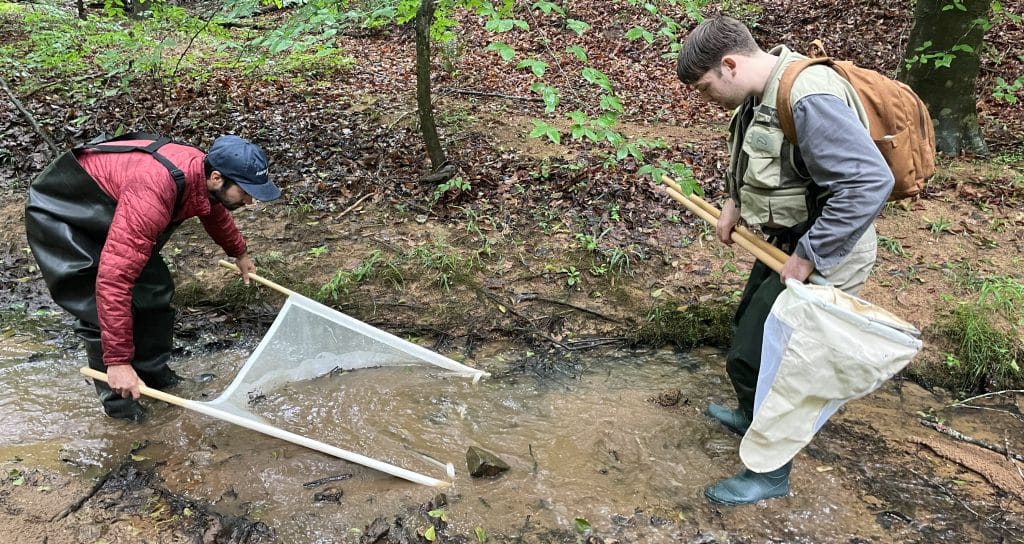
The Department of Streams brings together a dynamic network of hydrologists, ecologists, restoration practitioners, regulatory professionals, and students who share a passion for protecting and restoring flowing waters. Whether you’re wading through a headwater stream, analyzing flow data, or designing a restoration plan, you’ll find a supportive and collaborative community ready to share knowledge and field-tested solutions.
Through live webinars, field meetups, online forums, and project-based discussions, our community offers a space to ask questions, exchange ideas, and stay current with the latest stream science tools and regulations. By connecting with others who work in and around streams, you’ll gain insights, mentorship, and a shared sense of purpose in safeguarding the health and resilience of our waterways.
Talk to an Advisor

Call 1-877-479-2673 | Email: Support@Swampschool.org | Click the Chat Bubble Below