
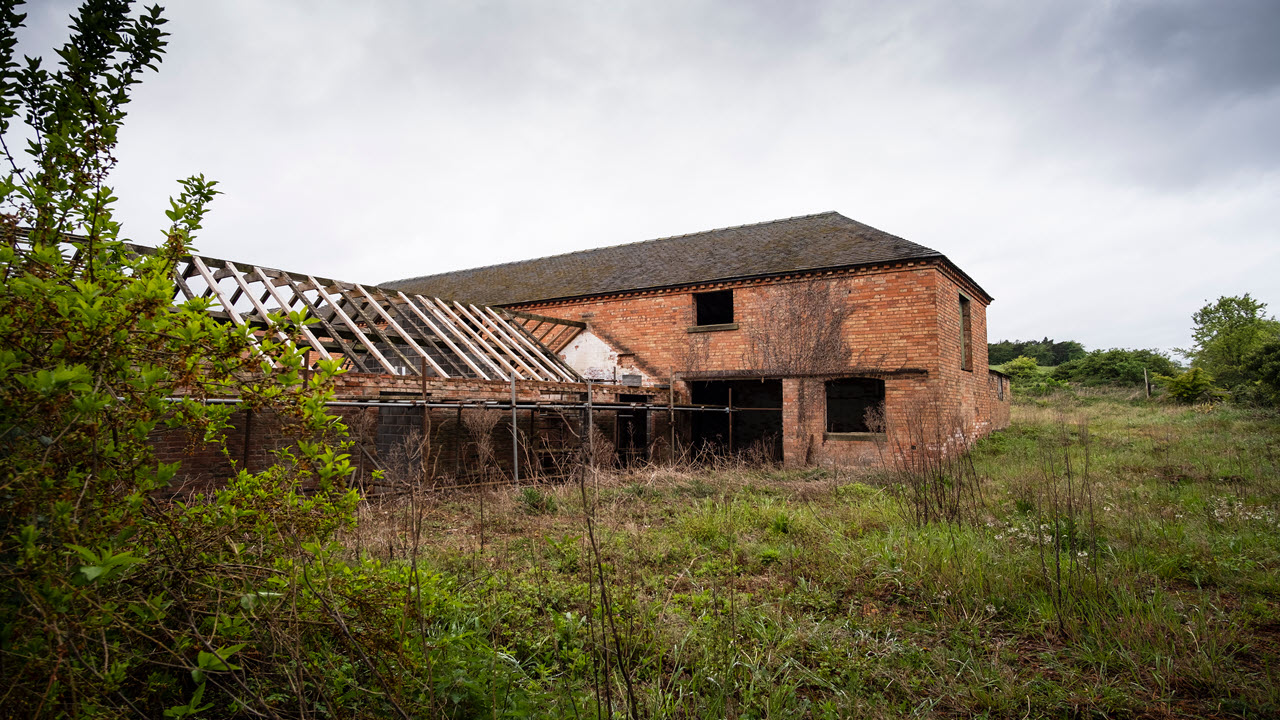
Environmental due diligence is a routine part of commercial real estate transactions, but rural and forested landscapes present a different set of challenges. Large property sizes, limited historical records, and a wide range of past land uses can make environmental risk more difficult to evaluate.
To address these unique conditions, the ASTM E2247 standard was developed specifically for Phase I Environmental Site Assessments (ESAs) conducted on forestland and rural property. This standard provides guidance for identifying potential environmental risks associated with rural land transactions.
For professionals involved in forestry, conservation, agriculture, land investment, or rural real estate, understanding the basics of ASTM E2247 is an important first step in managing environmental liability.
Why Environmental Due Diligence Matters for Rural Land
At first glance, rural property often appears environmentally untouched. However, many forest and agricultural lands have complex land-use histories that can introduce environmental concerns.
Over time, rural properties may have hosted activities such as:
- Timber harvesting operations
- Agricultural production and pesticide use
- Fuel storage for farming or logging equipment
- Informal dumping areas or burn pits
- Historic industrial uses like sawmills
Because these activities are not always well documented, environmental due diligence helps buyers, lenders, and land managers better understand the environmental history of a property before completing a transaction.
What is ASTM E2247?
ASTM E2247 is the industry standard that outlines how to conduct a Phase I Environmental Site Assessment for forestland and rural properties. It adapts the traditional Phase I ESA process so it can be applied effectively in rural environments where property records may be incomplete and land use histories may extend back generations.
The goal of a Phase I ESA is to identify Recognized Environmental Conditions (RECs) — indications that hazardous substances or petroleum products may be present on a property.
Identifying these conditions early helps parties involved in a land transaction evaluate potential environmental liability before moving forward.
Why Rural Environmental Assessments Can Be More Complex
Conducting environmental assessments on forestland or rural property often involves challenges that are not commonly encountered on smaller commercial sites.
For example, rural properties may:
- Cover hundreds or thousands of acres
- Have limited historical documentation
- Contain abandoned structures or historic activity areas
- Include agricultural or forestry practices spanning decades
Environmental professionals must often combine records research, field observations, and local knowledge to better understand how the land has been used over time.
Who Should Understand ASTM E2247?
While Phase I ESAs are typically performed by environmental professionals, many other groups benefit from understanding how environmental due diligence works in rural land transactions.
These include:
- Foresters and forestland managers
- Rural land brokers and real estate professionals
- Conservation organizations and land trusts
- Environmental consultants
- Attorneys and lenders involved in land transactions
For anyone involved in buying, selling, financing, or managing rural land, awareness of environmental risks can help prevent unexpected liabilities later.
A Growing Area of Environmental Due Diligence
Interest in timberland investment, conservation properties, and rural land acquisition has increased significantly in recent years. As a result, environmental due diligence for rural property has become more important than ever.
ASTM E2247 provides a framework for evaluating environmental risks in these landscapes, helping professionals conduct assessments that are both credible and defensible. Overview of 2247
However, applying the standard effectively requires understanding how traditional Phase I ESA methods are adapted for rural environments.
Final Thoughts
Environmental due diligence for forestland and rural property is an evolving area of practice. While the ASTM E2247 standard provides a structured approach, each property presents its own unique history and potential environmental considerations.
For professionals involved in rural land transactions, gaining a deeper understanding of how Phase I Environmental Site Assessments apply to these landscapes can be an important step toward managing environmental risk and making informed decisions.