
The following blog post is a summary of the article “NC Bill Includes Bird-friendly Native Plant Policies” published by Audubon North Carolina on June 11, 2025. To read the original article, click here.
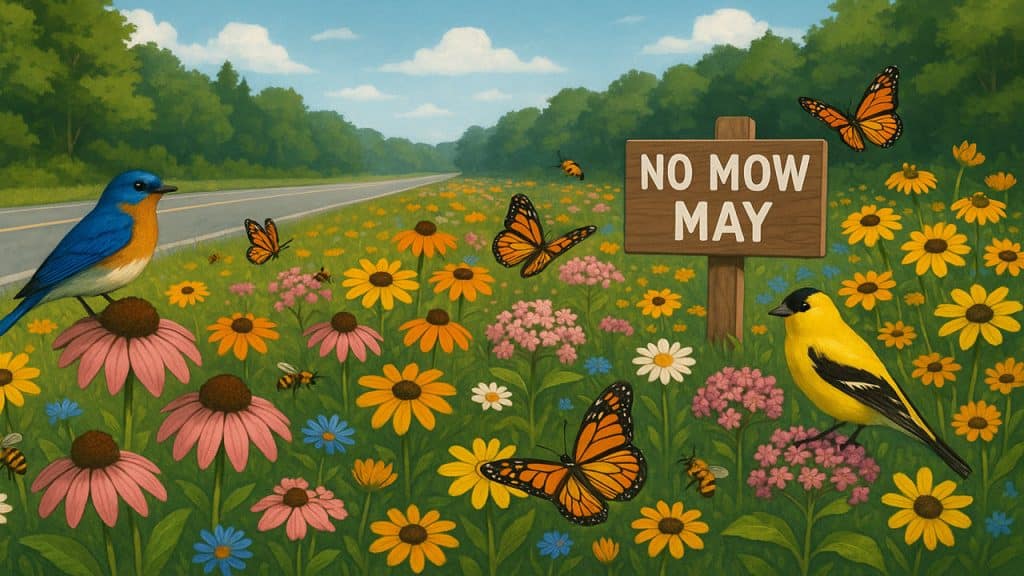
A new legislative effort in North Carolina, Senate Bill 391, is poised to significantly increase the presence of native plants throughout the state. Introduced by Senators Bill Rabon, Vickie Sawyer, and Michael Lazzara, the bill is a product of years of grassroots advocacy spearheaded by Audubon Society chapters. Central to the bill are two main policies: a ban on mowing highway rights-of-way during May—an initiative known as “No Mow May”—and a mandate that native plants be used when vegetation is removed for outdoor advertising purposes. The bill also calls for the development of a comprehensive list of native plants to be prioritized over nonnative species, along with strategies for removing invasive plants from state parks and roadside areas.
Supporters of the bill, like Zach Wallace of Audubon North Carolina, emphasize the ecological benefits of native plants for both wildlife and people. According to Wallace, native flora supports bird populations by providing critical food sources such as insects, which are particularly important for feeding chicks. The cumulative impact of fewer native plants is fewer insects, which negatively affects bird reproduction. These provisions in the bill aim to not only restore natural ecosystems but also enhance biodiversity and environmental health across the state. The backing of figures like Senator Rabon has been key in sustaining the momentum behind these conservation efforts.
This bill builds upon recent pro-environmental actions by the state government, including an executive order from former Governor Roy Cooper mandating native plants for landscaping on all future state-owned projects. North Carolina is home to over 3,900 species of native plants that support birds and pollinators throughout the year, highlighting the critical role of initiatives like No Mow May in preserving early-season pollinator habitats. These plants, in turn, help sustain avian life by providing the necessary resources for raising young. Senate Bill 391, filed on March 24 and currently under review by the Senate Transportation Committee, represents a forward step in ensuring the vitality of North Carolina’s ecosystems for generations to come.
#NoMowMay #NCSenateBill391 #SustainableLandscaping #BirdFriendly #WetlandWednesday #TheSwampSchool