Product Description
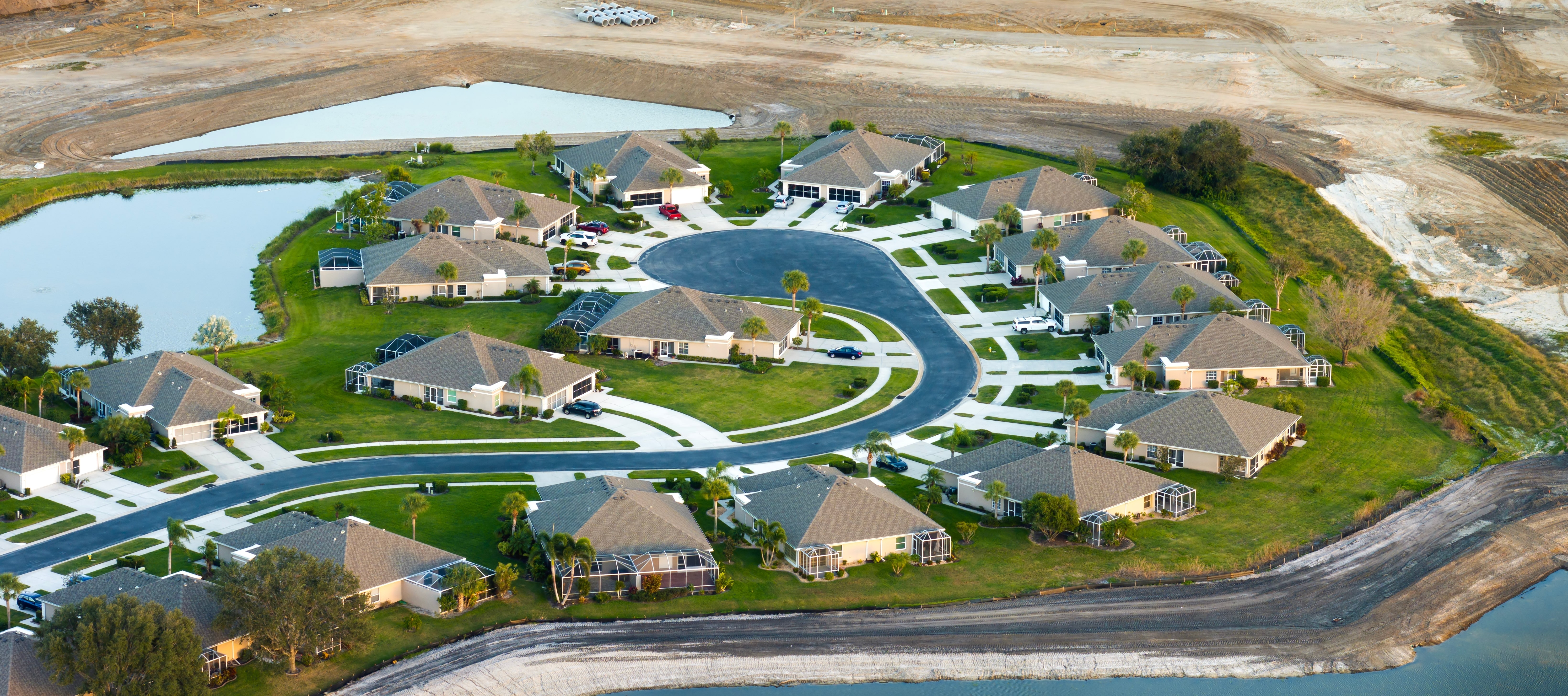
Wetlands can have a major impact on real estate transactions, land value, development feasibility, and closing timelines. This live, in-person course is designed specifically for North Carolina real estate brokers, appraisers, land investors, developers, and land professionals who need to recognize wetland-related concerns before they become costly problems.
The 2026 regulatory landscape continues to create uncertainty for properties with wetlands, streams, ditches, swales, buffers, and other water features. Changes to the Waters of the United States, or WOTUS, framework, along with federal, state, and local permitting requirements, can directly affect whether land can be developed, how long approvals may take, and what additional costs may be required.
This four-hour, instructor-led workshop provides practical, real-world guidance for identifying wetland concerns early in the real estate process. Participants will learn how wetlands are identified, how jurisdictional determinations and permits affect property use, and why older wetland reports or approvals may need to be reviewed before they are relied upon in a transaction.
The course also explores common real estate risk issues, including development delays, mitigation costs, buffer concerns, permitting uncertainty, and communication challenges between buyers, sellers, consultants, attorneys, lenders, and regulators. Through applied examples and real-world case studies, students will learn how wetland decisions can affect property value, marketability, and development potential.
By the end of the class, participants will be better prepared to recognize wetland red flags, ask better due diligence questions, communicate more confidently with clients and consultants, and help clients make more informed decisions when buying, selling, valuing, or developing land in North Carolina.
Wetlands and Real Estate (In-Person) Syllabus
NCREC Course Number: 1972
NCREC Provider Number: 1624
Elective Credit Hours: 4 CE Hours
Course Description
The Swamp School’s Wetlands and Real Estate course, part of the North Carolina Real Estate Commission’s CE Elective program, will be conducted in-person to provide an immersive learning experience regarding the real estate implications of wetland properties. Through interactive sessions, participants will delve into wetland identification methods, wetland laws, permit requirements, and wetland mitigation opportunities for landowners. Additionally, recent Supreme Court rulings concerning wetlands and their implications on Federal and State regulations will be thoroughly discussed.
The course is structured to offer training within a classroom setting, allowing for real-time engagement and interaction among participants. The Swamp School is an approved Education Provider for the North Carolina Real Estate Commission.
Course Requirements and Materials
Students are expected to actively participate during in-person sessions. There will be no formal assignments or tests.
Students are expected to conduct themselves professionally throughout the course. Disruptive behavior such as talking out of turn, using electronic devices for unrelated activities, or engaging in any conduct that distracts from the learning environment will not be tolerated and may result in dismissal from the class.
Instructor Contact
Instructors will be available for direct contact within the classroom setting. Participants can communicate with instructors via in-person interactions or through designated communication channels established within the classroom environment.
Wetlands and real estate values have a complex relationship, and several factors need to be considered when assessing the impact of wetlands on property values. Here’s an overview of how wetlands can affect real estate:
Positive Impacts on Real Estate Values
- Aesthetic and Recreational Value: Properties adjacent to wetlands can have increased value due to the natural beauty and recreational opportunities they provide, such as bird watching, fishing, and hiking.
- Biodiversity and Ecosystem Services: Wetlands contribute to biodiversity and provide valuable ecosystem services such as water purification, flood control, and carbon sequestration, which can be a selling point for environmentally conscious buyers.
- Exclusivity and Privacy: Wetlands can offer natural buffers to development, providing a sense of privacy and exclusivity for nearby properties.
- Rarity and Conservation Status: Properties that include or abut protected wetlands might be more valuable due to their unique status and the limited availability of such features.
Negative Impacts on Real Estate Values
- Regulatory Restrictions: Wetlands are often protected by regulations that can restrict development and land use, potentially reducing property values due to the limitations placed on property owners.
- Risk of Flooding: Properties near wetlands may be at a higher risk of flooding, which can lead to increased insurance costs and a decrease in property value.
- Pest Issues: Wetlands can be a habitat for pests such as mosquitoes, which can be a deterrent for some buyers and negatively affect property values.
- Maintenance Costs: The presence of a wetland may increase the cost of land maintenance for property owners, due to the need for specialized landscaping or management of invasive species.
Market Perceptions and Trends
The influence of wetlands on real estate values can also depend on market perceptions and trends. In some markets, the presence of wetlands is highly valued and can significantly increase property values. In others, potential buyers may see them as a liability.
Regulatory and Legal Considerations
Real estate values can be significantly affected by the regulatory environment regarding wetlands. In many countries, there are strict regulations on the use and development of wetland areas. For example, in the United States, the Clean Water Act can impose restrictions on development near wetlands, impacting property values either through direct regulation or through the permitting process.
Economic Studies and Assessments
Numerous economic studies have sought to quantify the impact of wetlands on adjacent property values, with mixed results. Some have found that proximity to wetlands can either increase or decrease property values depending on the type of wetland and the socio-economic context of the area. The specific characteristics of the wetland (e.g., whether it’s a marsh, swamp, bog, or fen) and the quality of the wetland environment can also play a role.
Conservation and Development Balance
The balance between conservation and development is key in determining the impact of wetlands on real estate values. Sustainable development practices that protect wetlands while allowing for responsible use of nearby lands can lead to a positive relationship between wetland conservation and property values.
Final Considerations
- Local Context: The impact of wetlands on property values can vary greatly depending on local environmental, economic, and regulatory contexts.
- Future Changes: Climate change and evolving regulations may alter the relationship between wetlands and property values over time.
- Long-Term Value: Some investors and homeowners place a long-term value on ecosystem sustainability and resilience, potentially outweighing short-term valuation concerns.
In summary, the relationship between wetlands and real estate values is multifaceted and can vary widely. Those considering the purchase or sale of properties near wetlands should consult with local experts, including real estate agents, ecologists, and land-use planners, to understand the specific impacts on property value in their area.