
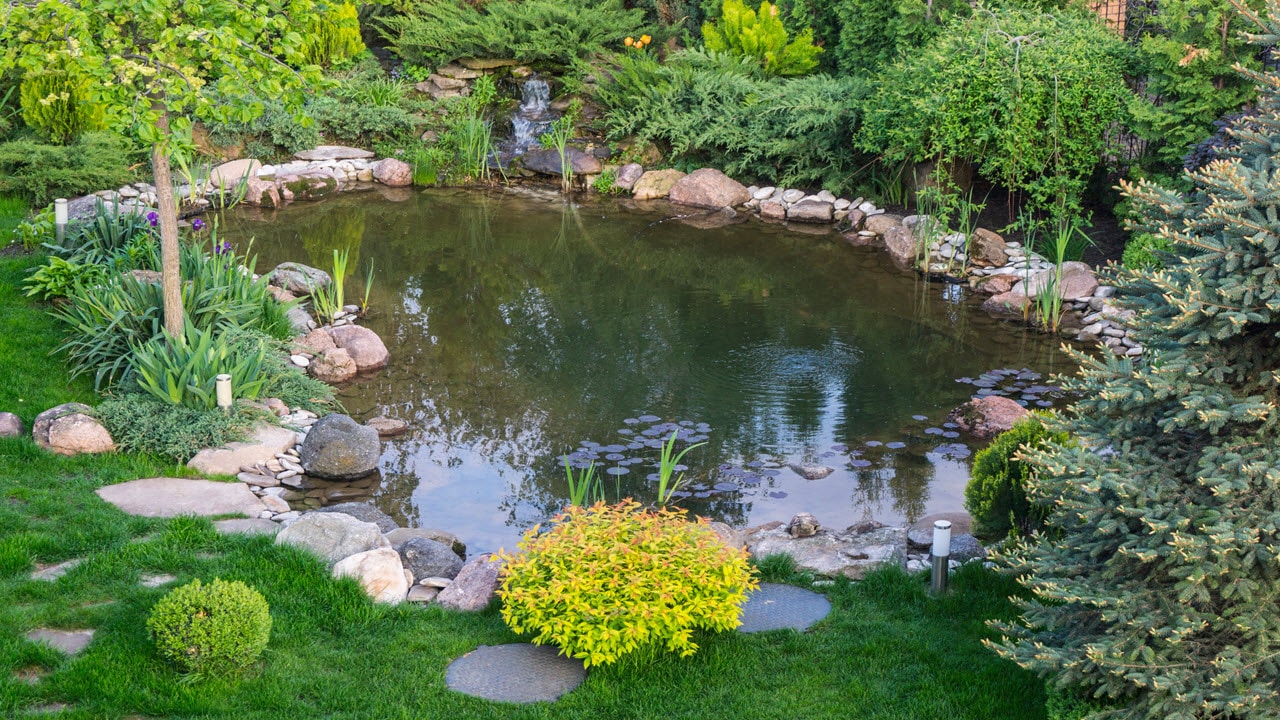
Frequent readers of our blogs might have noticed a theme lately: gardening. Specifically, gardening with native plants. Whether that is for large-scale projects, such as roadsides, or on a smaller scale in your own backyard, native plants are making a comeback. This week, we’re going to discuss native plant gardening, but with a twist: backyard wetland gardening! For those of you who have followed The Swamp School for some time, the “wetland” part should not be a surprise.
Why native plants? One word: insects. Some may call them creepy crawlies; others, irritants; however, for most of the songbirds in North Carolina, they are simply called food. But where do these creepy crawlies get their food, to grow nice and plump and juicy for the birds? Most often, they feed on native plants. Our native insects and plants have evolved together over thousands of years. The plants have evolved ways to survive in spite of being munched on, and the insects have evolved ways of munching on the plants in spite of their attempts to remain uneaten. Remove the native trees, shrubs, and wildflowers and replace them with ornamentals and manicured lawns, with all of the herbicides and pesticides that go along with them, and your local insect population becomes drastically reduced. That, you might not mind so much. But you might mind the decrease in songbirds, who have moved on to other locales in search of food on which to raise their young. If you want beautiful birds in your yard, you need bugs, and to get more bugs, you need more native plants.
Okay, so why should you invest in a backyard wetland garden specifically? For one, it’s a great wildlife attractant: not only does it provide food and shelter, but it also provides a water source. This, in turn, means you will attract more amphibians to your yard. If the increase in insects still worries you, rest assured that what the birds don’t eat, the frogs, toads, and salamanders will. A wetland habitat in your backyard is also a great educational opportunity for people of all ages. It can be used to teach others about life cycles, plant adaptations to stressors, the food web, water purification, and flood control. In addition, the process of constructing a wetland teaches you about hydrology, which is how water moves within a system.
Installing a wetland habitat in your yard is not a very difficult endeavor. Even a small area can become a successful mini wetland! The optimal location is going to be someplace that is near an existing source of water, such as downspouts, or an ephemeral stream from natural runoff. It should also be low-lying areas, perhaps where water already pools and collects. You need to make sure that you can access the wetland for maintenance easily; while they are low maintenance, you should remove excess plant detritus and debris every fall. With a bit of effort, a backyard wetland garden can be a great addition to your landscape, and the local wildlife will thank you!
#NativeGardening #GrowNative #WildlifeGarden #FrogsInTheGarden #SongbirgSanctuary #OutdoorLearning #GreenThumbGoals #NatureEducation #TheSwampSchool