Part 5 — Monitoring & Performance (Measure, Defend, Improve)
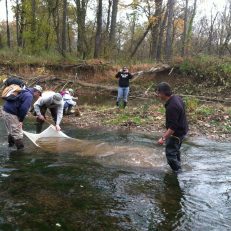
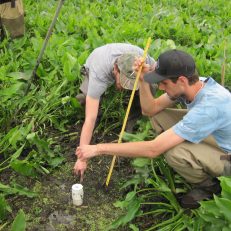
Stream Restoration Part 5 focuses on monitoring strategy, performance indicators, and defensible documentation. Monitoring is where restoration projects succeed or fail under review—because performance must be evaluated, communicated, and used to improve outcomes over time.
This course helps practitioners design monitoring approaches that match project objectives, choose meaningful indicators, and build documentation that supports closeout, reporting, and continuous improvement.
Where Part 5 fits in the pathway
Part 5 is the capstone of the 5-part pathway. It pulls together the physical, assessment, ecology, and implementation logic into performance evaluation and documentation.
Who this course is for
- Practitioners responsible for monitoring plans and field performance checks
- Project leads who need defensible reporting and closeout documentation
- Teams evaluating project success and making adaptive improvements
- Staff supporting QA/QC review and performance verification
What you’ll walk away with
- Monitoring concepts aligned to realistic restoration objectives
- Stronger performance documentation and defensibility under review
- A framework for linking observations to improvement decisions
- Readiness for higher-responsibility roles and credential pathways
Finish the pathway
You’ve reached the capstone of the 5-part sequence. If you’re responsible for project decisions, oversight, or QA/QC, consider pursuing the CSRP™ credential to verify integrated competency across assessment, design support, implementation realities, and performance documentation.
👥 Team & Company Training
All courses are available for team and company-wide enrollment, allowing organizations to train multiple staff using consistent methods, terminology, and technical standards. 🏢🌊
Team enrollment is ideal for firms and agencies that want to align field practices, assessment approaches, and technical understanding across staff working on stream restoration projects. ✅
🏗️ Ideal For
- 🧑🔬 Environmental consulting firms
- 🏛️ Federal, state, and local agencies
- 🏗️ Mitigation banks and restoration contractors
- 🧰 Engineering and watershed teams
📂 Team License Options
- 👥 Small Team – Up to 5 users
- 🏢 Department – Up to 15 users
Team licenses provide a cost-effective way to train multiple staff while maintaining consistent technical approaches across projects and offices. 📋
📈 Why Teams Choose Swamp School
- 📏 Consistent field methods
- 🌿 Shared technical framework
- 🧱 Aligned design understanding
- 📊 Defensible project documentation
📩 Team Enrollment & Scheduling
Team pricing and enrollment options vary based on group size and course selection.If you’d like to discuss team training options or determine the best fit for your organization, schedule a brief introductory call.
⏱️ Discuss team training options:
Schedule a 15-Minute Team Training Call