
 The Swamp School
Strong fieldwork.
Stronger first drafts.
You know the science. Make your writing show it. Turn rough field notes into useful updates, explain findings without overpromising, and catch problems before a draft reaches your client.

Your next draft
can be better.
Start with the skill you need most. Enroll early and save $20 on an individual course.
Courses are expected to open on or before December 1, 2026. Materials are still in development; your enrollment provides access when the courses open.
Choose your course ↓Individual-course offer only. Cannot be combined with bundle pricing.
Go beyond one skill. Get all four.
A clear sentence is the start. Useful handoffs, supported summaries, and careful review finish the job. Get the complete four-course bundle at its discounted bundle price.
Write clearly. Explain confidently.
Review carefully.
Take one course for a specific skill or all four for the complete workflow. Each includes its own independent part of the Cedar Bend case study, with all required facts supplied. No previous assignment is required.
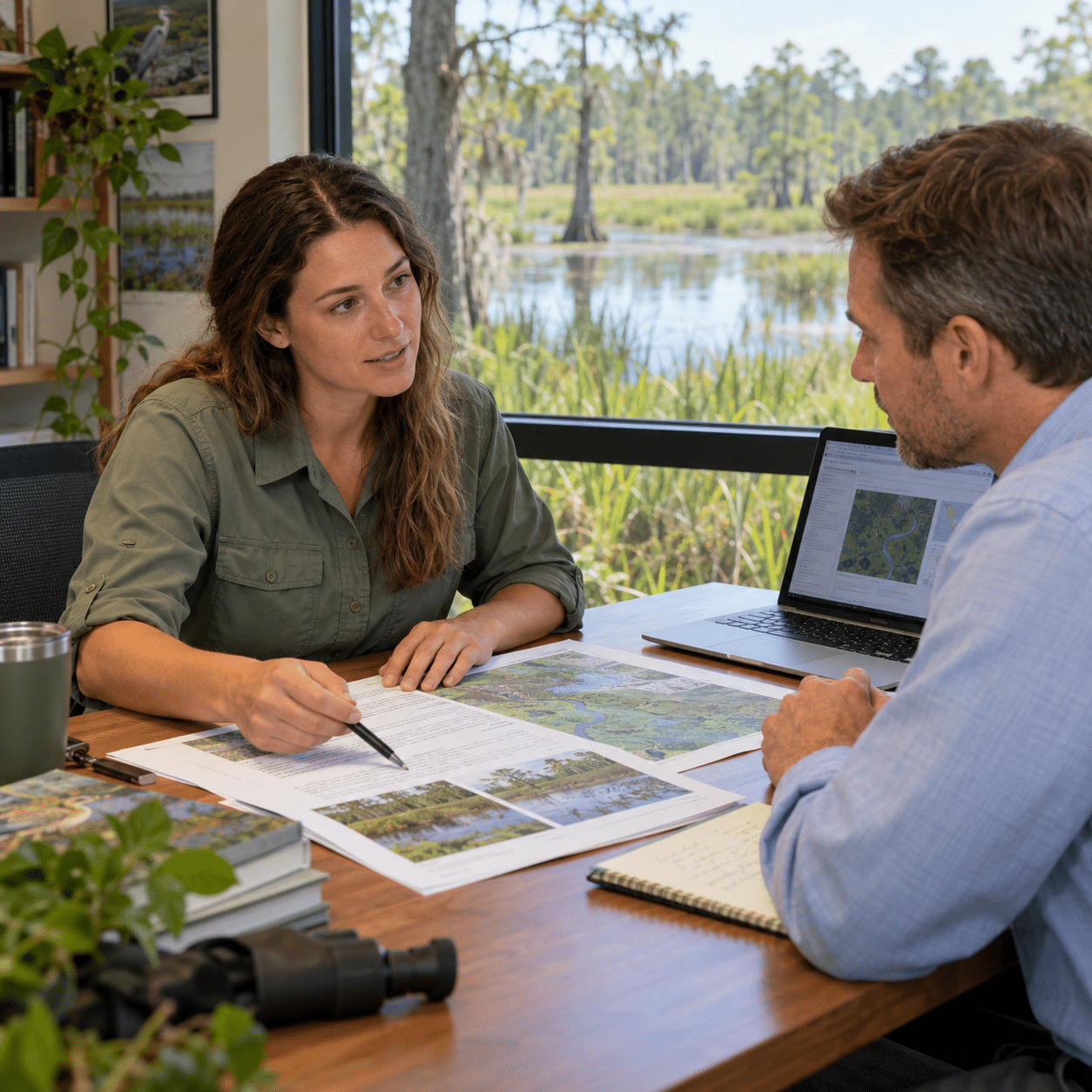
Professional Writing in Environmental Practice
Stop making readers work to understand your point. Write complete sentences, fix distracting errors, and keep the facts intact.
- Write clear, complete sentences
- Correct common grammar and punctuation errors
- Choose direct language for professional work
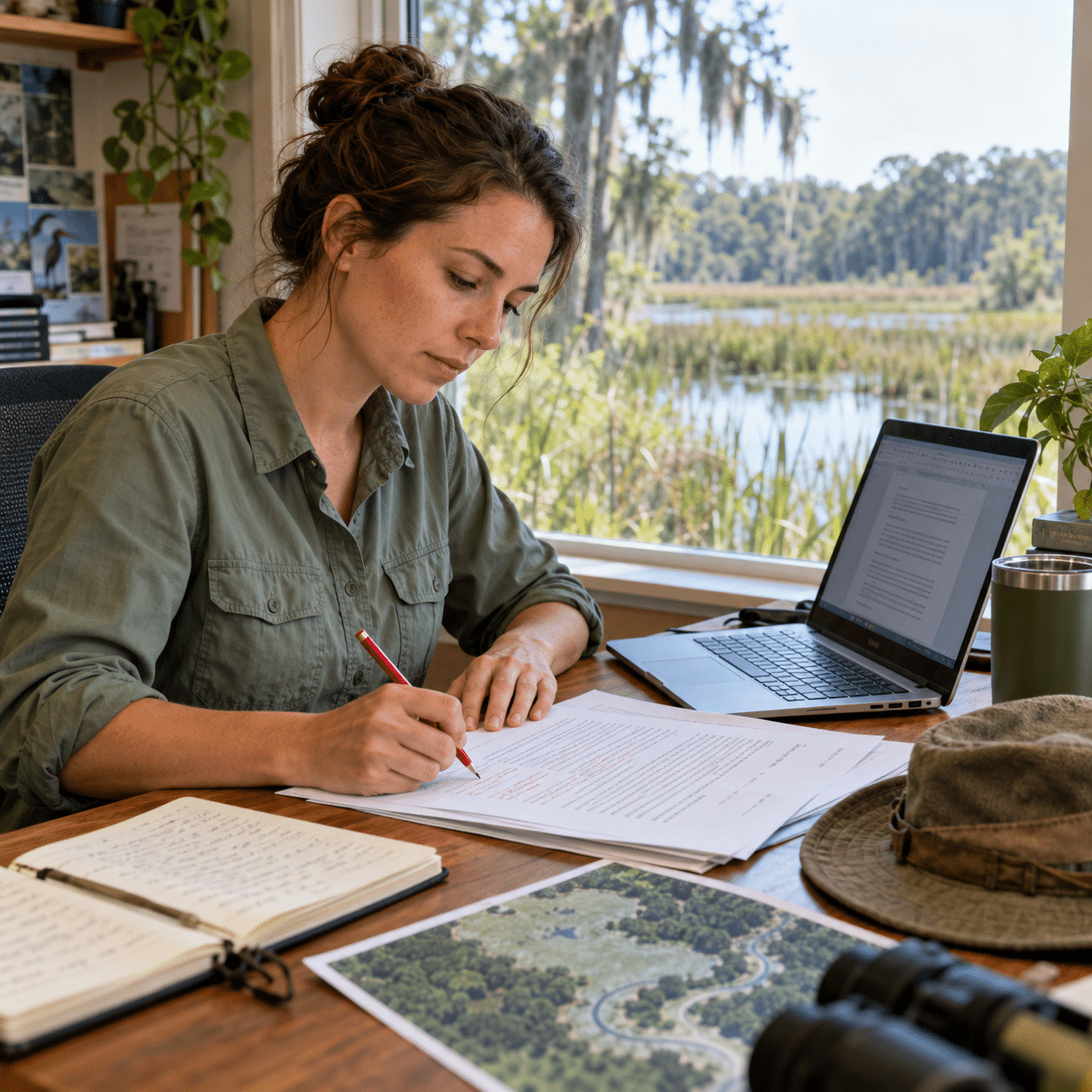
Professional Communication from Field to Office
Turn rough notes and conflicting records into an update your project manager can act on. Make the finding, the gap, and the next step clear.
- Write useful subject lines and clear requests
- Turn field notes into office-ready information
- Document next steps and responsibilities
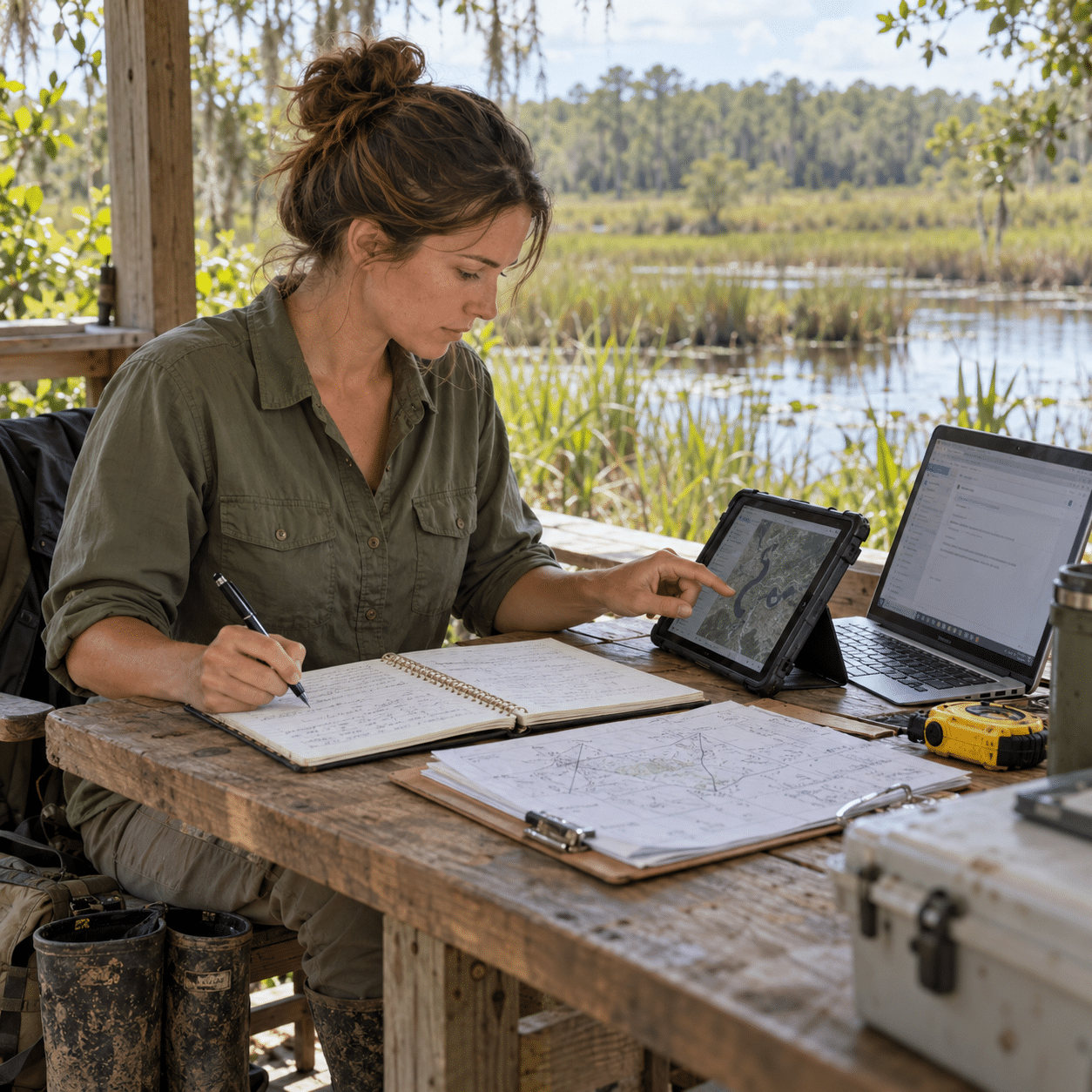
Technical and Client Communication for Environmental Professionals
Give your project manager the evidence and your client a clear explanation. Adapt the message without changing the meaning.
- Organize a clear technical summary
- Match the detail to your audience
- Separate observations, interpretation, and recommendations
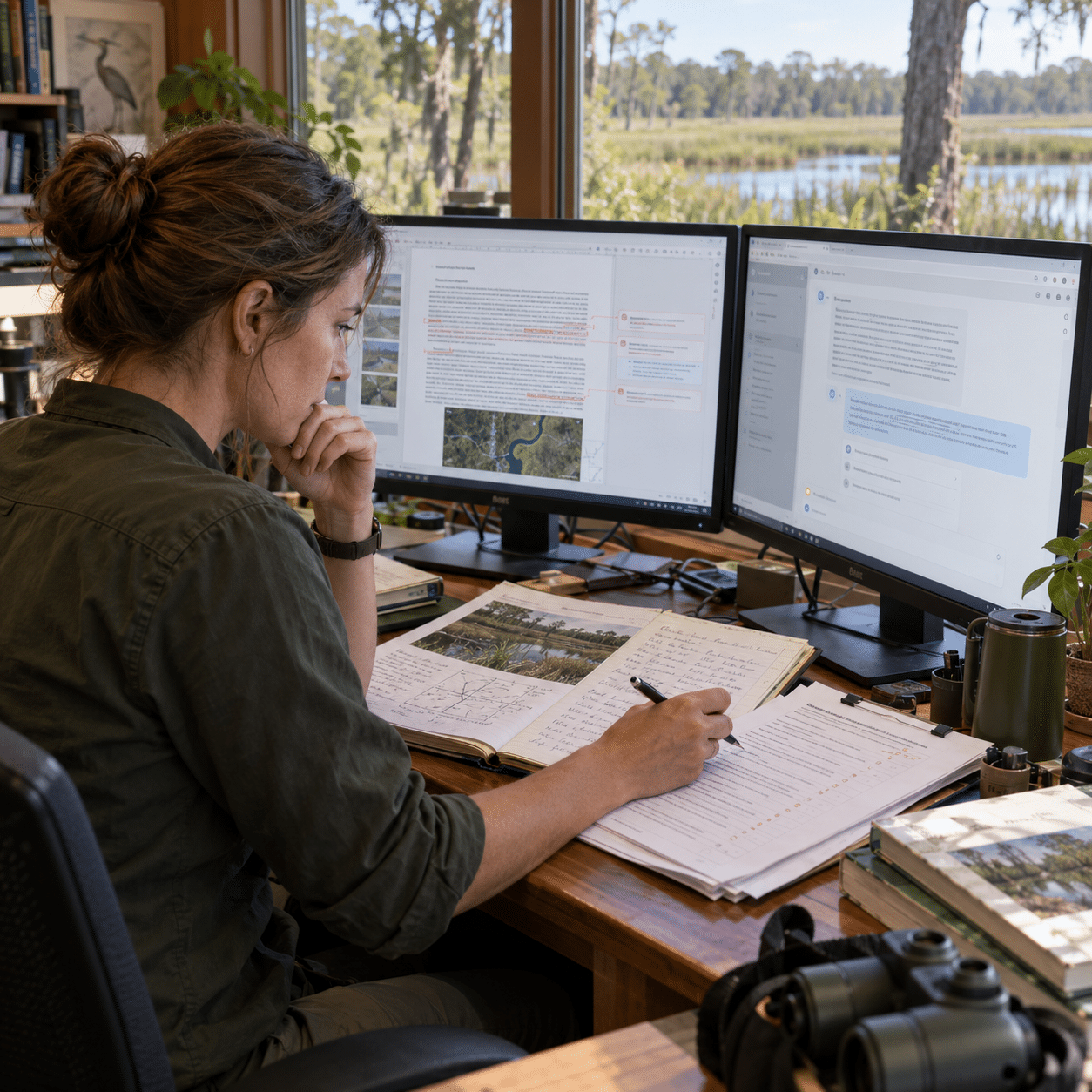
Quality Control, Revision, and Responsible AI for Environmental Professionals
A polished draft can still be wrong. Catch invented details, changed qualifiers, and promises no one approved—including those introduced by AI.
- Revise for clarity, completeness, and consistency
- Catch unsupported claims and conflicting details
- Use AI responsibly while retaining professional judgment
How to Use Ecobot:
From Field Data to Report
A planned practical introduction to using Ecobot as part of your field-to-report workflow. Connect the software steps with the writing and review skills developed in the first four classes.
- Work through a realistic project example
- Organize and review the project’s field information
- Connect the data workflow with clear report writing

Would you send it—or send it back?
Take the free Field to Report Challenge. Review six fictional reports and client emails, hunt for five problems in each, and check your decisions against the project record.
Better writing starts with the work you do.
Built for environmental scientists, field staff, consultants, and project managers. Practice with realistic records and writing tasks. AI use is optional; no live AI account is required.
Training a team?
Give your staff a shared approach to clear writing and consistent review. Ask about team training →